
Here’s the thing: you can totally transform your outdoor space into an eco-friendly paradise without turning yourself into a dirt-covered gardening guru. Native plants, smart water systems, and healthy soil are your secret weapons—and they work together like the world’s best team. But here’s where it gets interesting. Each element plays a role that’ll surprise you, and honestly, your backyard’s future depends on understanding how they connect.
Native Plants for a Thriving Ecosystem
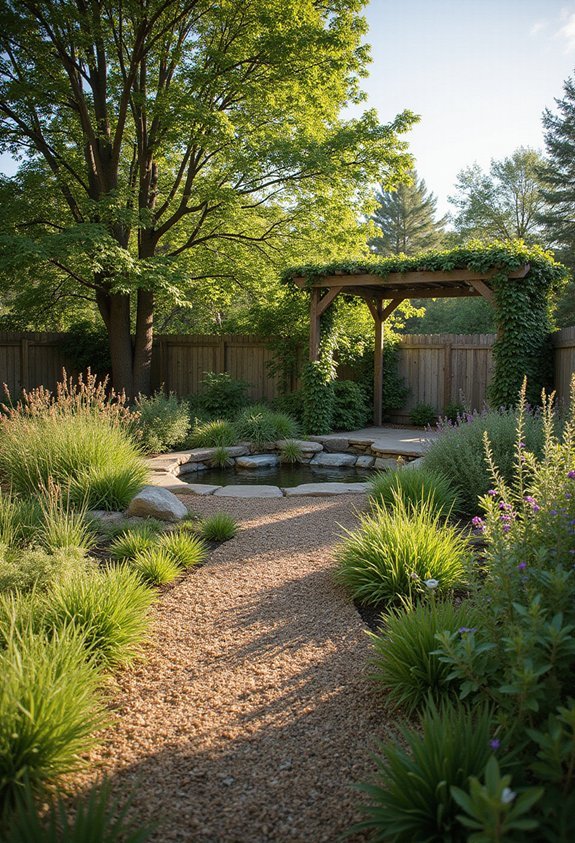
When you’re ready to stop killing plants and actually help your yard thrive, native plants are your secret weapon. These green guys evolved right where you live, so they’re basically cheating at gardening. They don’t need you babying them with fancy fertilizers or constant watering. Native plants attract butterflies, bees, and birds—basically throwing a backyard party without the mess. Plant them in clusters of three to five for maximum ecosystem impact. A sunny corner with purple coneflowers? Chef’s kiss. You’ll watch pollinators zoom in like they’ve found the world’s best restaurant. Your yard becomes self-sustaining and gorgeous. Mother Nature does most of the heavy lifting while you sit back and take credit.
Water Systems That Reduce Waste
Now that your native plants are throwing that backyard party, let’s make sure you’re not drowning them—or your water bill—in the process.
Drip irrigation systems are your secret weapon. You’ll install thin tubes right at soil level, delivering water straight to roots instead of spraying it everywhere like you’re hosing down a muddy dog. They’re seriously water-wise—using up to 50% less water than sprinklers.
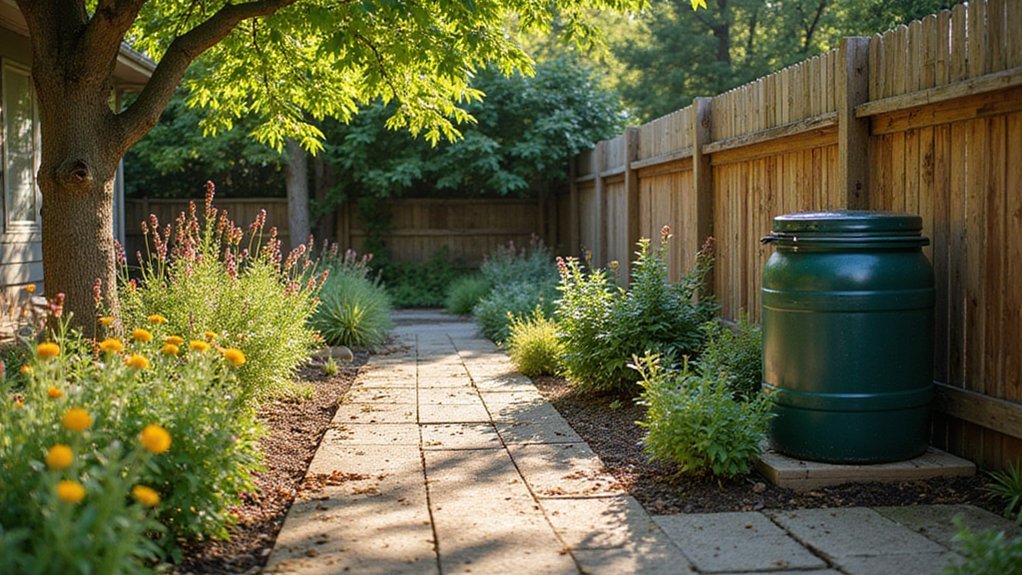
Rainwater collection barrels are another MVP move. Position a blue or tan barrel under your downspout, and you’ve got free water sitting there. One barrel catches roughly 600 gallons per storm.
You could also mulch heavily around plants. That brown, chunky stuff keeps soil moist longer and prevents water from evaporating faster than you can say “drought.”
Your wallet and Mother Earth? Both thrilled.
Healthy Soil, No Chemicals
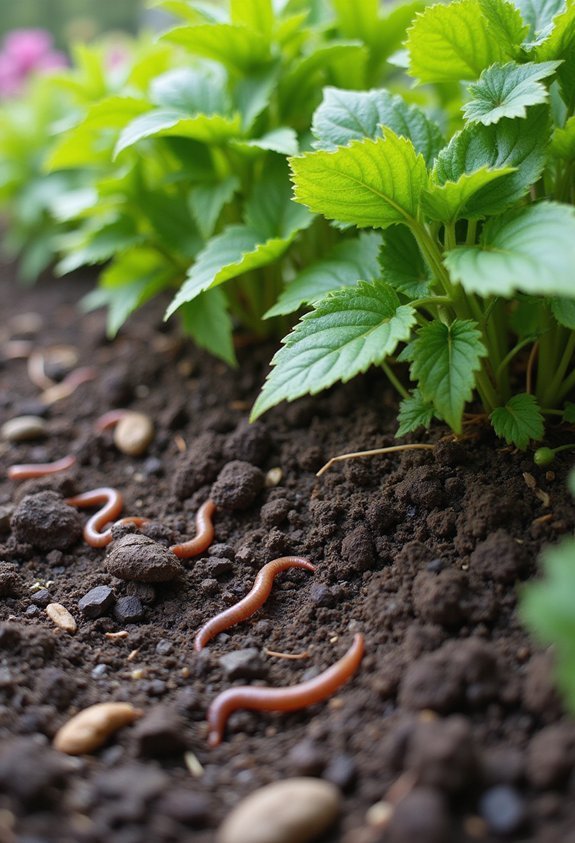
All those water-saving tricks mean nothing if your soil’s basically dead, but here’s the good news—you can resurrect it without dumping chemicals everywhere like you’re trying to poison a cartoon villain. Start composting your kitchen scraps and yard waste. You’ll create dark, crumbly gold that smells earthy, not like a science experiment gone wrong. Mix it into your garden beds three to four inches deep. Add mulch on top to lock in moisture and keep weeds down. Plant cover crops like clover during off-season months. They’ll boost nitrogen naturally and won’t make you broke. Test your soil occasionally. Healthy soil teems with worms and microbes doing their tiny jobs. Your plants’ll thrive without any chemical help whatsoever.
Frequently Asked Questions
How Much Does It Cost to Convert a Traditional Lawn Into an Eco-Friendly Backyard?
You’ll spend between $2,000 and $10,000 converting your traditional lawn into an eco-friendly backyard, depending on your yard’s size and the features you’re adding. Native plants, rain gardens, and composting systems’ll substantially impact your final costs.
What Is the Timeline for Establishing a Fully Functional Sustainable Backyard Ecosystem?
You’ll establish a fully functional sustainable backyard ecosystem in 6-12 months. You’ll start with soil preparation and native plantings, then gradually introduce composting systems and wildlife habitats. You’ll see significant results within this timeframe as your ecosystem matures.
How Do I Deal With Existing Non-Native Plants in My Current Yard?
You’ll want to gradually remove non-native plants by hand-pulling, digging out roots, or cutting them back repeatedly. Replace them with native species that’ll support local wildlife. Don’t rush; you can tackle sections progressively over several months.
What Certifications or Standards Should I Look for in Eco-Friendly Gardening Products?
You should look for certifications like OMRI (Organic Materials Review Institute), USDA Organic, and Rainforest Alliance labels. These verify that you’re buying genuinely eco-friendly products without harmful chemicals or unsustainable practices that’ll damage your garden’s ecosystem.
Can I Maintain an Eco-Friendly Backyard in a Small Urban Space or Apartment?
You can absolutely maintain an eco-friendly backyard in small urban spaces. Try container gardening, vertical gardens, and composting systems. You’ll maximize limited space while growing plants, reducing waste, and creating a sustainable outdoor area that benefits the environment.
Conclusion
You’ve got this! Your backyard’s about to become an eco-friendly powerhouse. Native plants’ll do the heavy lifting while you kick back. Your water bill drops, your soil stays happy, and you’re basically a environmental superhero without the cape. Sure, you’ll get your hands dirty composting—literally—but that’s nature’s way of saying thanks. Your local pollinators will throw you a party. It’s win-win gardening, baby.