
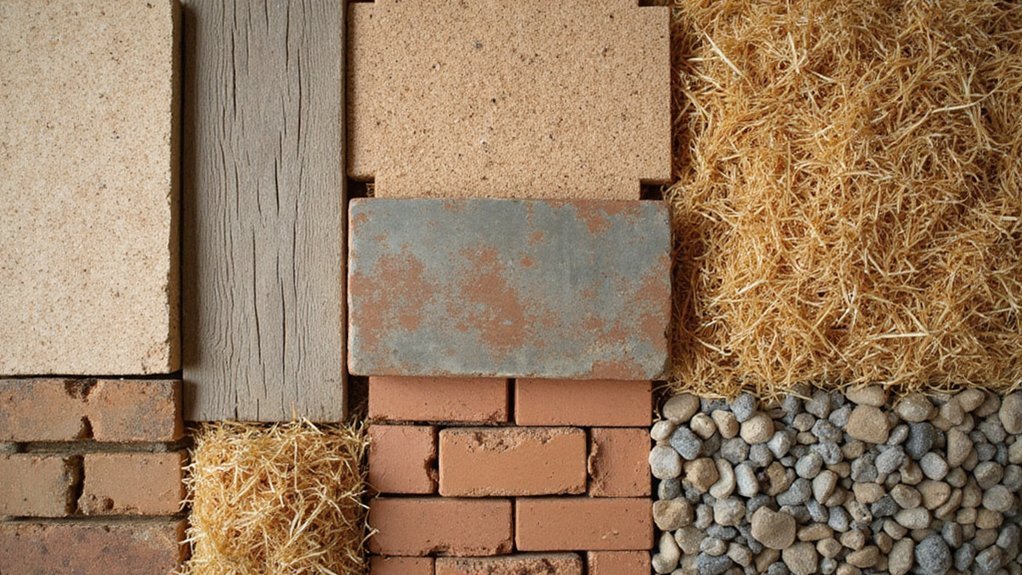
Look, building your dream home doesn’t mean trashing the planet—and your lungs’ll thank you for it. You’ve got solid options that won’t break the bank or make you feel guilty every time you flip a light switch. From bamboo that grows faster than your kid’s feet to recycled steel that’s basically giving old stuff a second life, there’s something for every budget and style. But here’s the thing: knowing *what* materials exist and actually using them right? That’s where things get interesting.
The Environmental and Health Case for Green Building
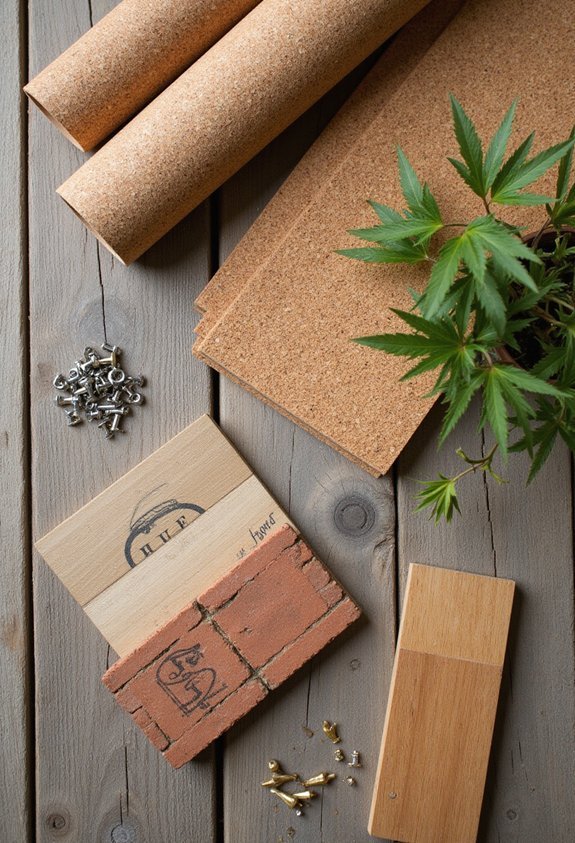
When you’re spending roughly 90 percent of your life indoors, what’s in those walls actually matters—like, a lot. Standard building materials release nasty chemicals called VOCs (volatile organic compounds) that make you feel foggy and gross. Your lungs aren’t fans of that stuff. Green building materials? They’re the opposite. They’re low-toxin or totally non-toxic, so you can actually breathe without your body staging a protest. Plus, eco-friendly materials reduce energy waste, which means lower bills and a happier planet. You win, your wallet wins, Mother Earth does a victory dance. It’s basically choosing between feeling like a superhero or a zombie in your own home. Pretty straightforward choice, honestly.
Bamboo: The Fastest-Growing Sustainable Alternative
Because bamboo grows like it’s late for an appointment, it’s basically nature’s speed demon of sustainable building materials. You’re looking at a plant that shoots up 3 feet per month—seriously, it’s basically the coffee of the plant world. Bamboo reaches full maturity in just three to five years, while trees take decades to grow. That means you can actually replace what you use without feeling guilty about destroying forests. It’s stronger than oak, lighter than many woods, and honestly pretty gorgeous with its warm, honey-colored grain. You can use it for flooring, framing, and even decorative panels. Your home gets that sleek, natural vibe while Mother Earth gives you a thumbs up. Now that’s what I call a win-win situation.
Cork: Natural Insulation and Durable Flooring
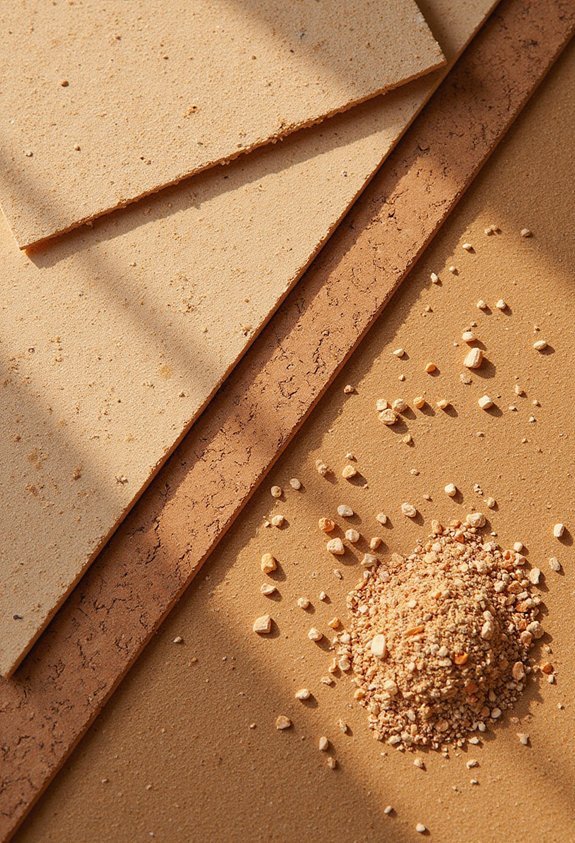
If bamboo’s the speed racer of the plant world, cork’s definitely the wise, patient tortoise—and honestly, it might just win the race. This stuff comes from tree bark, not the whole tree, so the tree keeps growing. Pretty neat, right?
Cork’s your best friend for insulation. It traps air pockets that keep heat in during winter and out during summer. You’re basically wrapping your home in a cozy blanket. Flooring-wise, cork’s warm underfoot and naturally bouncy. Your feet won’t hate you after standing all day. Plus, it’s seriously durable. Cork won’t off-gas nasty chemicals into your air like some materials do. It’s also naturally antimicrobial, meaning fewer gross germs hanging around. Install cork, and you’ve won at eco-friendly.
Reclaimed Wood: Character With Reduced Environmental Impact
While new wood comes straight from freshly felled trees, reclaimed wood‘s already got stories to tell—and we’re not just talking about the scratches and nail holes. You’re basically giving old barn wood or salvaged flooring a second life, which is seriously cool. This stuff’s been through the wringer—literally—so it’s super durable and won’t shrink like new wood does. Plus, you’re keeping timber out of landfills, which makes Mother Earth do a happy dance. The dark honey and rich chocolate tones you’ll find in reclaimed wood add instant character that new lumber can’t fake no matter how hard it tries. Sure, it costs more, but you’re paying for history and environmental points. That’s a win-win that’ll make your space look absolutely stunning.
Recycled Steel: Strength Without New Mining
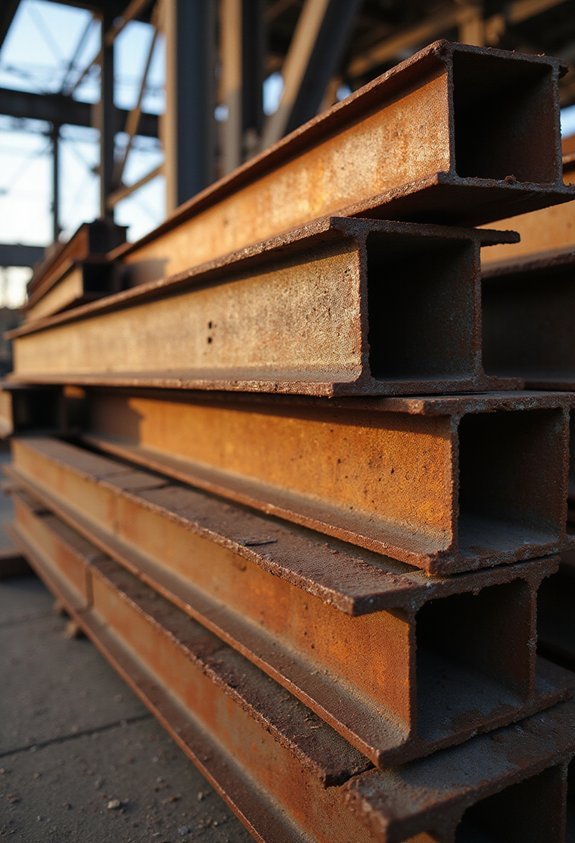
When you think about steel, you’re probably picturing a shiny new girder fresh from the factory—but here’s where it gets cool. Recycled steel is basically steel’s second act—and it’s just as strong as the new stuff. You’re taking old buildings, cars, and appliances, melting them down, and boom: brand-new beams ready for action. This process saves massive amounts of energy compared to mining and refining raw iron ore. We’re talking about reducing emissions by roughly 58 percent. Plus, you’re keeping tons of scrap metal out of landfills where it’d just sit there looking sad. Steel’s recyclable forever without losing its muscle. So when you choose recycled steel, you’re getting heavyweight strength while giving Mother Earth a serious high-five.
Which Eco Material Fits Your Project?
You’ve got tons of eco-friendly materials to choose from, and picking the right one’s like finding the perfect pair of shoes—it’s gotta fit your specific needs. Are you building a tiny garden shed or a massive office building? That matters big time. Need something waterproof for your basement? Recycled rubber‘s your buddy. Want insulation that won’t make you sweat? Cork’s fantastic and naturally bouncy. Got a tight budget? Reclaimed wood looks killer and saves cash. Building in a super hot climate? Bamboo handles heat like a champ. The trick’s matching the material’s superpowers to your project’s actual problems. Think about durability, cost, and what Mother Nature’ll thank you for. Your project’s uniqueness deserves a custom eco-solution, not a one-size-fits-all snooze-fest.
Low-VOC Paints and Finishes: Healthier Indoor Air Quality
Now that you’ve picked your eco-friendly building materials, it’s time to think about what you’re gonna slap on top of ’em—and we’re talking paint.
Standard paints release nasty chemicals called VOCs (volatile organic compounds) into your air. Yikes! They’re basically invisible stink bombs that hang around your home. Low-VOC paints? They’ve got way fewer of these troublemakers, so your indoor air stays fresher and healthier.
You’ll find low-VOC options in basically every color imaginable. From calming blues to bold reds, these paints perform just as great as regular stuff. They dry faster too, which means less waiting around like you’re watching paint dry (because you actually are).
Your lungs will thank you. Your family will breathe easier. That’s a win-win that actually matters.
Hempcrete: Carbon Capture in Your Walls
Building materials that actually pull carbon out of the air? You’re looking at hempcrete, friend. This stuff’s basically concrete’s cooler, greener cousin made from hemp fibers and lime. It’s lighter, fluffier, and honestly kind of ridiculous in the best way. Your walls literally absorb CO2 throughout their entire lives—they’re basically tiny environmental superheroes working while you nap. The beige-tan mixture goes up easily and creates these breathable walls that regulate moisture naturally. No toxic off-gassing here. You’ll feel smug knowing your home’s actively fighting climate change, one brick at a time. Sure, it costs more upfront, but your future self and the planet? They’re throwing you a thank-you party. That’s what I call a wall with real character.
Recycled Glass: Turning Waste Into Surfaces
While hempcrete‘s busy fighting climate change, recycled glass is out here doing something equally awesome—it’s basically giving your trash a second life as stunning countertops and tile. You know those old beer bottles cluttering your recycling bin? They’re about to become your kitchen’s coolest feature. Manufacturers crush and heat recycled glass, then mix it with resin or concrete to create surfaces that sparkle like tiny disco balls. Seriously, your countertops will look fancier than your actual life deserves. These surfaces come in wild colors—deep blues, sea greens, even murky browns that somehow work. They’re durable, heat-resistant, and way easier on Mother Earth than virgin materials. Plus, you’ll feel amazing telling guests your counters literally came from garbage. Talk about trash talking with style.
Sheep’s Wool Insulation: Renewable Thermal Protection
Ever wonder what sheep do besides just looking adorable in fields? Well, they’re basically thermal ninjas wrapped in fluffy coats. Sheep’s wool insulation is nature’s own climate control system, and it’s perfect for your home. This renewable material keeps heat in during winter and out during summer—talk about working smarter, not harder. You’ll find it comes in batts or loose-fill forms, fitting snugly between wall studs and ceiling joists. The cream-colored fibers are naturally fire-resistant too. Installation’s straightforward, though handling wool might make you itchy (sorry, not sorry). What’s the punchline? Your carbon footprint shrinks while your comfort skyrockets. Plus, sheep regrow their wool yearly, so you’re basically tapping into an endless renewable resource. That’s pretty sheep-tacular.
Rammed Earth: Sustainable Ancient Building
How’d ancient civilizations build structures that lasted thousands of years without a single power tool? They packed earth, that’s how! Rammed earth is literally dirt mixed with clay and sand, compressed hard into wooden forms. You pack it down layer by layer—no fancy equipment needed. The result? Walls thick enough to withstand earthquakes and time itself. These golden-brown structures stay naturally cool in summer and warm in winter. You’re basically getting free climate control from Mother Nature. Ancient builders in China, Africa, and Peru knew what’s up. Their buildings still stand today, looking pretty darn solid. Modern construction’s adopting this method again because it’s cheap, renewable, and impressively strong. Your future house might’ve been standing since before your great-great-grandparents were born!
Mycelium Materials: Compostable Building Components
Imagine building materials that don’t come from a factory—they grow in your basement instead. You’re literally cultivating walls made from mycelium, the root system of mushrooms. These fuzzy white strands bind together agricultural waste into sturdy blocks. They’re lightweight, fireproof-ish, and totally compostable when you’re done. Your home becomes a living, breathing organism—no weird fungal smells, promise. Within weeks, you’ve got insulation panels or acoustic tiles growing like mushrooms (because they literally are). At the end of their 30-year lifespan, toss them in your compost bin instead of a landfill. It’s building material that’ll make you genuinely proud. Nature’s basically saying, “Let me show you how construction should work.”
Budget Tiers: Eco Materials From Affordable to Premium
So here’s the thing about mycelium and other fancy eco-materials—they’re awesome, but your wallet might start sweating. You’ve got options though, and that’s the good news.
Budget-friendly picks include recycled plastic lumber and reclaimed wood, running you $3-8 per board foot. They’re solid choices that won’t drain your bank account. Mid-range materials like cork flooring and bamboo cost $5-12 per square foot, offering better sustainability without breaking the piggy bank. Premium eco-stuff—like real mycelium or high-end reclaimed brick—hits $15-30+ per unit, but honestly, your home’ll look absolutely stunning.
The trick? Mix tiers strategically. Splurge on visible areas you’ll actually see and touch, then go budget-friendly behind walls. Your conscience and your checking account will both breathe easier.
Sourcing and Installing Eco Materials
Now that you’ve picked your eco-materials and decided where to splurge, finding the right stuff and getting it installed is where the real adventure starts. Hunt down local suppliers who actually know their bamboo from their cork. Call ahead—seriously, don’t show up expecting they’ve got everything in stock. You’ll want contractors who’ve installed eco-materials before. They won’t treat your reclaimed wood like regular lumber or accidentally ruin your recycled glass countertops. Get multiple quotes because prices vary wildly. Schedule installations during dry weather if possible, especially for natural materials. They’re picky about humidity levels—kind of like temperamental toddlers. Ask about delivery times too. Some eco-friendly stuff ships slower than traditional materials, and you don’t want your project stalled for months.
Frequently Asked Questions
How Do Eco-Friendly Materials Compare to Conventional Options in Terms of Durability?
You’ll find that eco-friendly materials often match or exceed conventional options in durability. They’re engineered to withstand weather, wear, and time effectively. Many sustainable products like recycled steel and bamboo actually outlast traditional materials when you maintain them properly.
Are There Any Eco-Materials That Aren’t Suitable for Humid or Damp Environments?
You’ll find that some eco-materials like untreated wood and certain natural insulations aren’t ideal for humid environments. They’re susceptible to moisture damage, rot, and mold growth. You’d want moisture-resistant options like recycled plastic composites or cork instead.
What Certifications Should I Look for When Purchasing Sustainable Building Materials?
You should look for certifications like FSC for wood, GreenGuard for low emissions, LEED credits, and Cradle to Cradle. You’ll also want to verify products carry ISO 14001 or local eco-labels ensuring they meet rigorous environmental standards.
Can Eco-Friendly Materials Be Used in Renovation Projects on Older Homes?
Yes, you can absolutely use eco-friendly materials in older home renovations. You’ll find sustainable options for insulation, flooring, paint, and fixtures that retrofit seamlessly into existing structures. You should verify compatibility with your home’s original architecture before installing them.
How Do the Long-Term Maintenance Costs of Green Materials Differ From Traditional Alternatives?
You’ll find that green materials often cost less to maintain long-term since they’re durable and resist degradation. You’ll spend less on replacements and repairs compared to traditional alternatives, ultimately saving you money despite higher upfront costs.
Conclusion
You’ve got this! Pick eco-friendly materials that fit your wallet and your home’s vibes. Whether you’re going fancy with bamboo or budget-friendly with recycled plastic, you’re basically a superhero for the planet. Your house’ll look amazing, breathe easier (literally—lower VOCs!), and you’ll sleep great knowing you didn’t trash the Earth. Find local suppliers, hire smart contractors, and boom—sustainable style achieved without the headaches!