
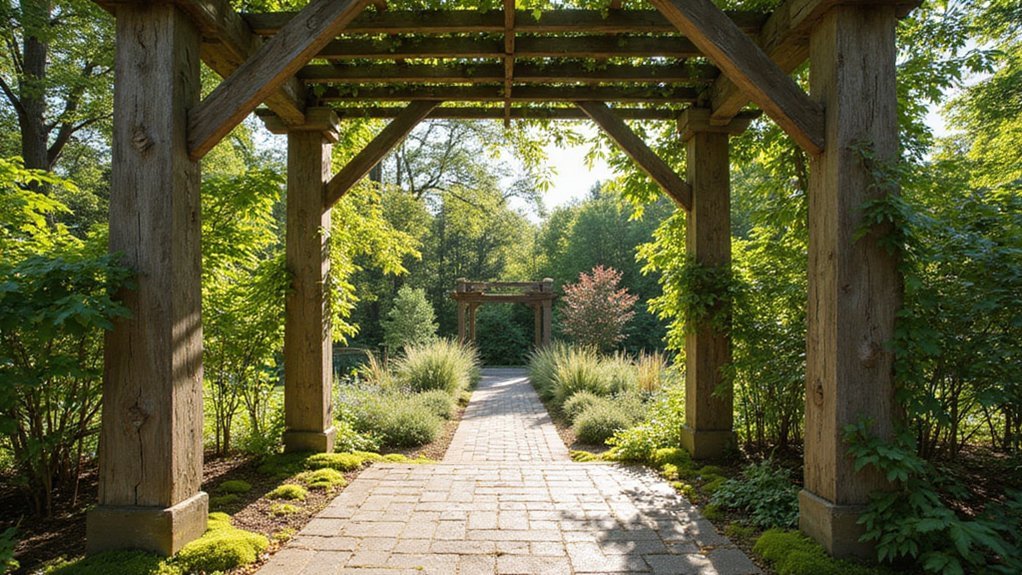
You’re standing in your backyard, squinting at the sun, and thinking: “There’s got to be a better way.” Here’s the thing—traditional patio covers break down, need constant repairs, and end up in landfills faster than you can say “rotting wood.” But what if you could build a shade structure that actually gets *better* with age, costs less long-term, and doesn’t make Mother Earth groan? Let’s talk about how.
Why Sustainable Patio Covers Matter
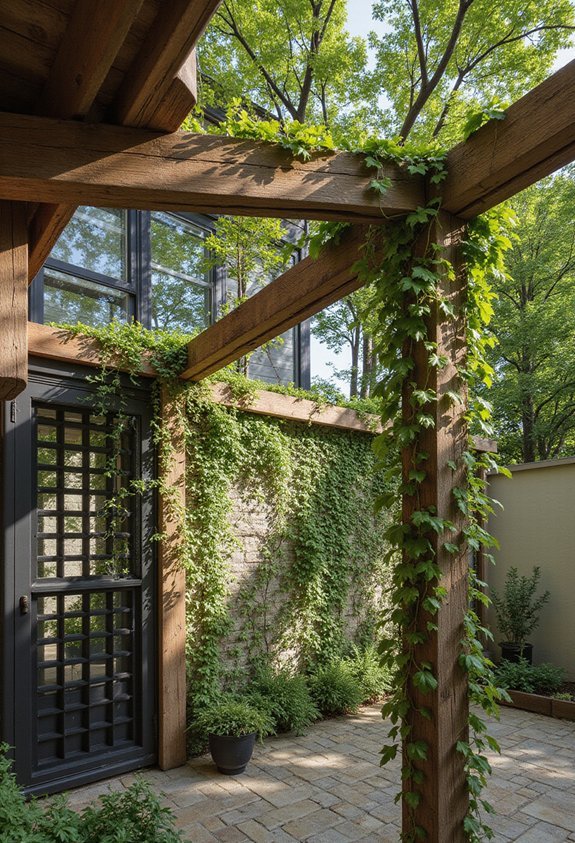
Here’s the thing about patio covers—they’re basically the sunglasses your backyard desperately needs. You know that feeling when you’re sweating through your shirt after five minutes outside? Yeah, a good patio cover stops that misery. Sustainable materials matter because they protect your space without trashing the planet. Regular covers break down in a few years, sending plastic and vinyl to landfills. Eco-friendly options like reclaimed wood, recycled metal, and natural fabrics stick around for decades. Your wallet stays happier too. Plus, sustainable covers actually look fantastic. They age gracefully instead of turning that gross gray color. You’re basically creating a cozy outdoor room that won’t make Mother Earth cry. That’s worth celebrating.
Durability and Lifespan Compared
When you’re picking out a patio cover, knowing it’ll last matters just as much as knowing it won’t melt your face off in July. Here’s the truth: some materials are basically immortal, while others deteriorate faster than your motivation on a Monday morning.
Aluminum covers typically stick around for 20-30 years without throwing a tantrum. Polycarbonate panels laugh at weather and last 10-15 years, though they might yellow slightly. Wood? Beautiful but needy—expect 5-10 years unless you’re obsessed with maintenance and stain treatments.
Shade cloth feels wimpy but surprises you with 5-8 years of honest work. Vinyl holds its own for 10-12 years before cracking happens.
The real deal: investing in durable materials now means fewer headaches, less money bleeding away, and actually enjoying your patio instead of constantly fixing it.
Which Materials Demand the Least Maintenance
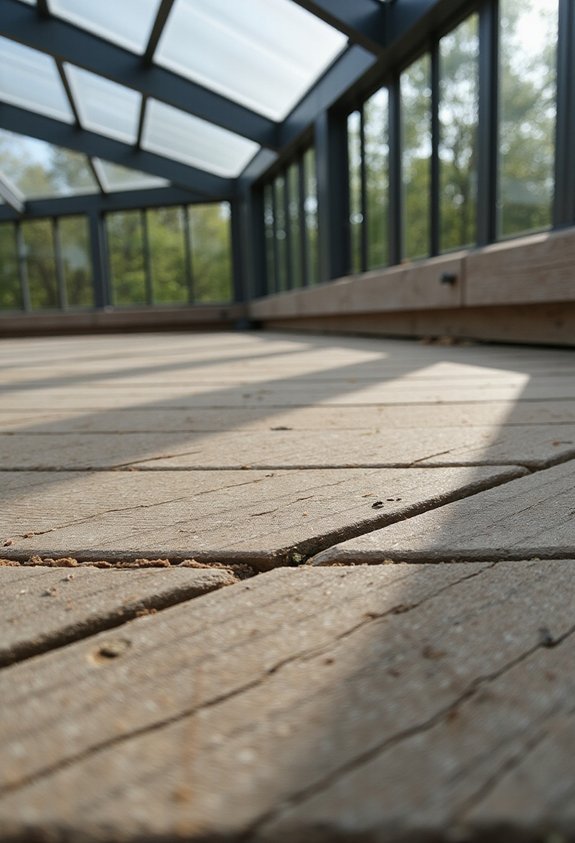
What if you could pick a patio cover and then actually forget about it? Well, you’re in luck! Composite materials are basically the lazy person’s dream. They don’t rot, don’t need staining, and won’t make you cry when mold appears. Just hose them down yearly and you’re golden.
Aluminum is equally fantastic. No rust, no warping, and it laughs at Mother Nature’s worst tantrums. A quick rinse keeps it shiny without breaking a sweat.
Polycarbonate panels? They’re sturdy five-eighths-inch thick champions that repel dirt like it’s personally insulting them. Zero maintenance needed, honestly.
Steel frames with powder coating are similarly bulletproof against neglect. They’ll sit there looking sharp for decades without demanding attention like needy houseplants.
Pick any of these, and you’ll spend more time enjoying your patio than maintaining it. That’s the dream, right?
Lifecycle Cost: Sustainable vs. Conventional
Although sustainable patio covers cost more upfront, they’ll actually save you serious cash over time. Here’s the deal: that fancy composite material running $8,000 today? It’ll laugh in the sun’s face for twenty years while your conventional cover deteriorates into sad, splintering wood within five years.
You’ll spend thousands replacing and repainting cheap covers repeatedly. Sustainable options won’t drain your wallet on maintenance either—no sweating over annual staining or mold creeping across those dingy panels. Your eco-friendly cover sits there, barely aging, while conventional materials basically self-destruct faster than you can say “termites.”
Calculate the true cost including repairs, replacements, and elbow grease. Sustainable beats conventional every single time financially. You’re not just saving the planet; you’re saving your bank account from an embarrassing collapse.
FSC-Certified Wood: Beautiful Durability With Responsible Sourcing
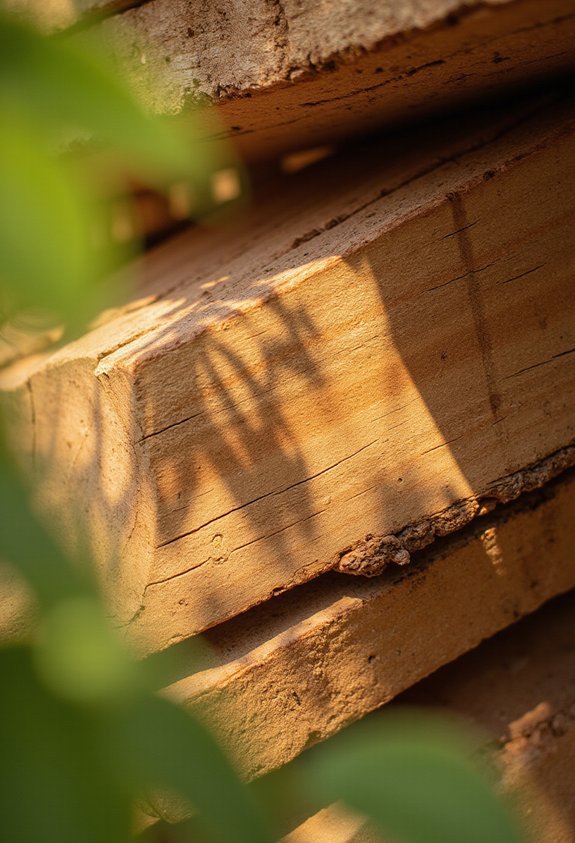
Now here’s where wood makes its comeback—and we’re not talking about the sketchy stuff that’ll rot faster than forgotten fruit in your garage. FSC-certified wood comes from forests managed responsibly. You’re getting beautiful grain patterns and warm golden tones that actually last. These trees weren’t chopped down willy-nilly; they were harvested sustainably so forests stay healthy. Your patio cover won’t decompose into sawdust after three years. The wood holds up against rain, sun, and your neighbor’s judgmental stares. Plus, you’re supporting companies that care about Earth’s lungs. Sure, it costs more upfront than sketchy alternatives. But you’ll keep your cover standing strong for decades without guilt gnawing at your conscience. That’s a win-win that makes Mother Nature smile.
Recycled Composites: Plastic and Wood Combined
If you’ve got plastic bags piling up in your garage like some kind of trash avalanche, recycled composites might just be your patio cover‘s new best friend. These materials blend reclaimed plastic with wood fibers, and honestly, they’re pretty genius. You get the wood look you love without actually chopping down trees, which is fantastic. Recycled composites won’t rot, warp, or attract termites like regular wood does. They’re also low-maintenance—no staining or sealing needed. The dark brown or gray colors hide dirt better than a teenager hiding vegetables. Installation’s straightforward, and they’ll stick around for 25-30 years. Sure, they cost more upfront, but you’ll save money long-term on maintenance. Your patio cover will look solid while you feel like an environmental superhero.
Reclaimed Materials: Sustainable Design With Zero Waste
There’s something genuinely cool about giving old materials a second life on your patio cover. You’re basically giving Mother Earth a high-five while saving cash. Reclaimed wood beams? They’ve got character that new stuff can’t buy. Those weathered gray planks tell stories and look absolutely stunning overhead. Old barn doors work great for shade panels too. You’ll feel like a design genius, not a garbage collector. And here’s the best part: zero waste means nothing’s rotting in landfills while you’re chilling underneath. Your patio becomes this awesome mix of vintage vibes and eco-warrior status. Plus, reclaimed materials are often cheaper than brand-new ones. You’re literally saving money while saving the planet. Talk about a win-win situation that doesn’t stink.
Living Green Roofs: Natural Cooling and Biodiversity Overhead
Imagine stepping under your patio cover on a scorching summer day and feeling like you’ve walked into a cool forest instead of your backyard. That’s the magic of living green roofs! You’re basically growing a garden on top of your patio cover, and plants are nature’s air conditioners. They’ll absorb heat and release moisture, cooling things down naturally. Your neighborhood birds and butterflies will throw you a party up there, creating a mini ecosystem right overhead. Plus, those plants filter rainwater and reduce runoff. Sure, you’ll need good drainage and sturdy support structures—we’re talking real weight here. But honestly? Watching bees buzz around your elevated garden while you sip lemonade below? That’s peak backyard bliss right there.
Sustainable Bamboo Covers: Fast-Growing and Timeless
While living green roofs are absolutely gorgeous, bamboo patio covers might just be the cooler, lower-maintenance cousin you’ve been looking for. Bamboo grows like it’s got somewhere to be—seriously, it shoots up three feet yearly. You’ll love that it’s naturally strong and gorgeous with warm, golden tones. Plus, it won’t rot your wallet or the planet.
Installation’s straightforward, and you’re looking at panels around eight to twelve feet wide. The stuff ages beautifully, developing silvery undertones that honestly look fancy. Bamboo handles UV rays better than you’d expect, though occasional sealing keeps it pristine.
Here’s the kicker: it’s completely renewable and biodegradable. When it finally retires decades later, Mother Earth gets it back guilt-free. Your patio just became seriously sustainable and ridiculously stylish.
Sustainable Cork Covers: Lightweight and Renewable
If bamboo’s the cool cousin, cork’s the quirky aunt who shows up with wild stories and somehow makes everything better. You’re getting a cover that weighs next to nothing. No heavy lifting required—your back’ll thank you. Cork comes from tree bark that regrows, so nobody’s chopping down forests. It’s basically nature’s recycling program at work.
Here’s the kicker: cork doesn’t absorb water like a sponge at a spill convention. Rain rolls right off those tiny air pockets. You’ll notice the warm, tan color fading slightly over years, but that’s its charm. It develops character like an old leather jacket.
Installation’s a breeze too. You’re fastening lightweight panels instead of wrestling with dense materials. Your patio gets shade, the planet gets a win, and you get to feel smug about it.
Sustainable Metal Frames: Why They Outlast the Rest
After cork’s lightweight charm comes something built to laugh in the face of time: sustainable metal frames. You’re looking at aluminum or recycled steel that’ll outlast your patience for home improvement projects. These frames don’t rot, warp, or develop mysterious creaky sounds at 3 AM. They’re basically the cockroaches of patio covers—impossible to kill. Your frame stays straight and true for decades while other materials surrender to weather and gravity. Sustainable metal frames require minimal maintenance, just occasional cleaning. They’re also recyclable at end-of-life, which feels pretty good when you’re finally ready to upgrade. You get durability wrapped in eco-friendliness. That’s a winning combo that’ll keep your patio covered for generations.
Sustainable Polycarbonate: Clear Panels Without Guilt
Now that you’ve got a bulletproof metal frame holding everything up, let’s talk about what goes on top—and sustainable polycarbonate panels are basically the superhero of patio cover materials. These clear beauties let sunlight flood your space while blocking UV rays that’d turn you into a lobster. They’re recyclable, which means Mother Earth won’t be mad at you. Polycarbonate panels measure around 10mm thick, making them seriously durable against hail and falling branches. They won’t yellow or crack like cheap plastic. Installation’s straightforward, and they’re lighter than glass. You’ll get that open-air feeling without sweating through your shirt on hot days. Plus, they’re cheaper than glass but tougher too. Your future self will high-five present you for this choice.
Installation Best Practices
Getting those gorgeous polycarbonate panels up there is where the rubber meets the road—and honestly, it’s way easier than assembling IKEA furniture. You’ll want a buddy because wrestling 10-foot sheets solo is basically asking for a hernia. Start by measuring twice, drilling once (we learned that the hard way). Use stainless steel hardware—it won’t rust and betray you later. Leave tiny gaps between panels so they can expand and contract without throwing a fit. Secure everything snugly but not death-grip tight. Your local hardware store folks can show you the ropes if you’re nervous, and there’s zero shame in that. Proper installation means your patio cover’ll stick around longer than most friendships. You’ve got this!
Choosing by Climate and Budget
Your climate’s basically your patio cover’s boss, and your budget’s the referee keeping things fair. Hot, sunny areas? Polycarbonate panels in white or light gray bounce heat away like they’re dodging dodgeballs. Cold, snowy regions need stronger materials—think aluminum frames that won’t crack under pressure. Rainy places demand excellent drainage, so skip flat designs completely. Your wallet matters too. Recycled plastic lumber costs less upfront but lasts forever, while bamboo looks gorgeous but needs more maintenance. Metal frames run $2,000 to $5,000 installed, while wood frames might cost $1,500 to $3,000. Match your climate’s demands with what you can actually afford, and you’ll dodge regret faster than you’d dodge a sneeze at the dentist’s office.
Frequently Asked Questions
Can I Install a Sustainable Patio Cover Myself, or Do I Need Professional Help?
You can install a sustainable patio cover yourself if you’ve got basic carpentry skills and proper tools. However, you’d benefit from professional help for structural permits, precise measurements, and ensuring it’s safely secured to your home’s foundation.
What Permits or Regulations Apply to Sustainable Patio Cover Installation in My Area?
You’ll need to check your local building department’s specific codes, as regulations vary by location. Most areas require permits for structures over a certain size. You should verify setback requirements, height restrictions, and any HOA guidelines that apply to your property.
How Do Sustainable Patio Covers Perform in Extreme Weather Conditions Like Hurricanes?
You’ll find that modern sustainable covers like reinforced polycarbonate and metal composites withstand hurricanes effectively. They’re engineered with high wind ratings, typically handling 100+ mph gusts. You should verify your specific cover’s ratings and guarantee proper installation for maximum hurricane protection.
Are There Financing or Rebate Options Available for Eco-Friendly Patio Cover Purchases?
You’ll find financing options through green energy programs and local rebates for eco-friendly patio covers. Check your municipality’s sustainability initiatives, manufacturer incentives, and federal tax credits. Many contractors also offer payment plans specifically for environmentally conscious home improvements.
Can Sustainable Patio Materials Be Recycled or Repurposed at the End of Life?
Yes, you can recycle or repurpose most sustainable patio materials. You’ll find that wood gets repurposed into mulch or lumber, while aluminum and metal components you remove get recycled. You’re also able to donate usable materials to restoration organizations.
Conclusion
You’ve got this! Pick sustainable materials that’ll stick around longer than your New Year’s resolutions. FSC wood, recycled composites, and polycarbonate panels are your shade-loving buddies. They’re tough, they’re kind to Earth, and they won’t drain your wallet constantly. Your backyard’ll look fantastic while you’re basically hugging the planet. Mother Nature gives you a thumbs up, and honestly, that’s pretty cool.