
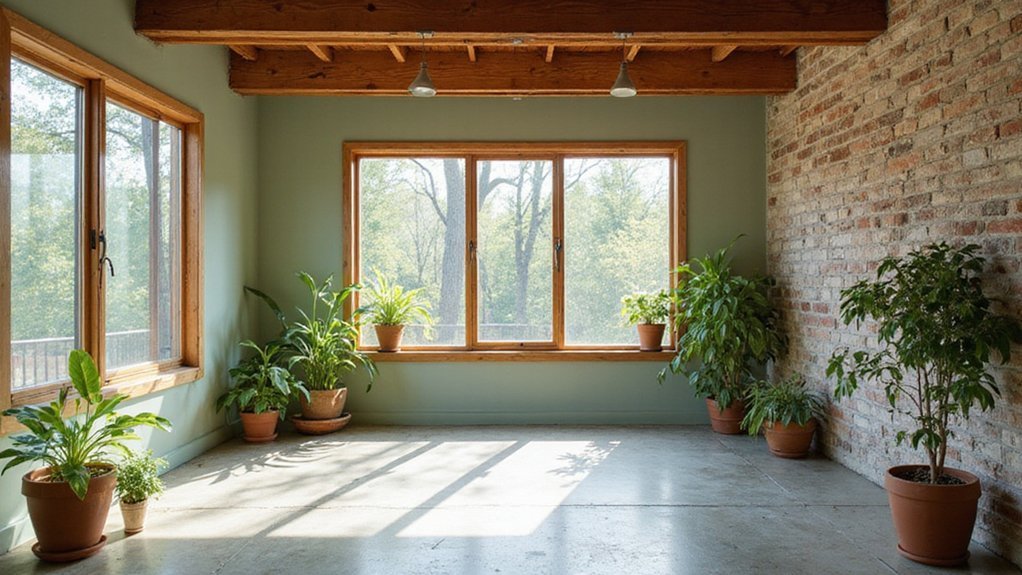
So you’re ready to transform your home without transforming your bank account. Green renovations aren’t just about feeling smug at dinner parties—they actually cut your utility bills and make your house more comfortable. Energy-efficient windows, solar panels, and sustainable materials can save you serious cash over time. But here’s the thing: not all eco-friendly upgrades are created equal. Some payback faster than others, and you’ll want to know which ones matter most for *your* situation.
Green Windows and Doors for Energy Savings
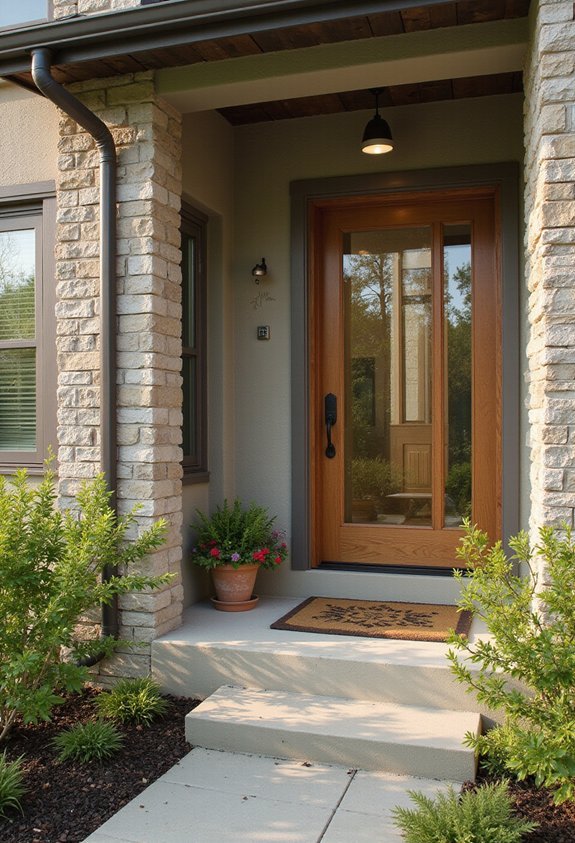
If you’ve ever felt a chilly draft sneaking through your windows like an unwelcome ghost, you’re not alone—and you’re also hemorrhaging money faster than a leaky faucet. Upgrading to energy-efficient windows and doors is like giving your home a cozy blanket—and your wallet actually likes it.
Look for windows with double or triple panes. They trap heat inside during winter and keep it out during summer. Your AC unit will stop working overtime and sweating like you at the gym.
New doors with proper seals? They’re game-changers. You’ll slash heating and cooling costs by up to 30 percent. Plus, modern green options come in tons of colors—sleek black frames, natural wood tones, or crisp white.
Your future self will high-five you when that energy bill arrives.
Solar Panels: A Green Renovation Investment
While windows and doors seal up your home’s heat leaks, solar panels are like installing tiny power plants on your roof—except they don’t need coffee breaks or complain about the weather. You’ll slap those shiny blue rectangles up there and watch your electric bill shrink faster than your motivation on a Monday morning. Solar panels turn sunlight into electricity, and honestly, that’s basically magic. Your roof becomes a money-making machine. Within six to ten years, you’ve recouped your investment through energy savings. Plus, you’re reducing your carbon footprint and impressing neighbors who still think coal is trendy. The government throws tax credits your way too. Sure, installation costs money upfront, but long-term savings? Absolutely electric.
Sustainable Insulation Upgrades to Cut Heating Costs
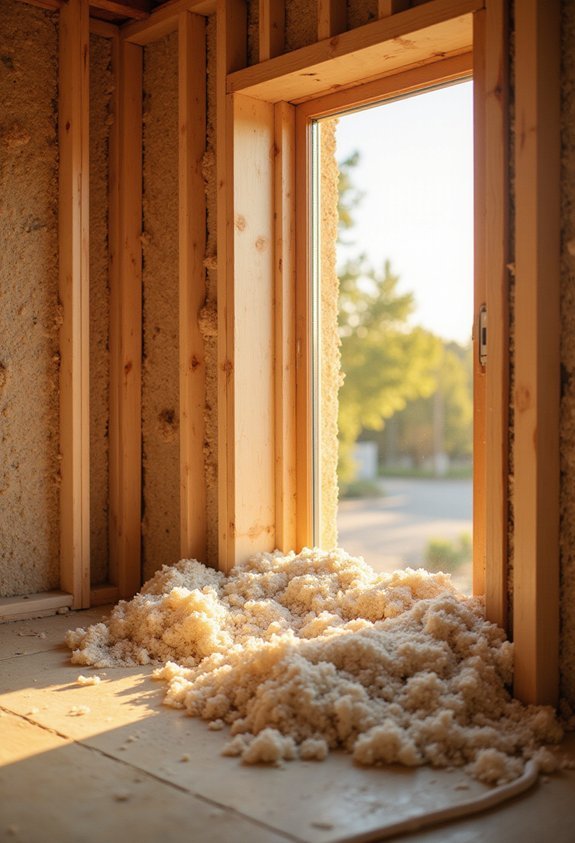
Most homes leak heat like a sieve leaks water—basically everywhere. You’re literally paying to heat the great outdoors, which is ridiculous.
Sustainable insulation upgrades are your wallet’s best friend. Sheep’s wool, recycled denim, and cork are eco-friendly heroes that trap heat like nobody’s business. They’re way better than old fiberglass, which makes you itchy just thinking about it.
You’ll want at least 6-8 inches of insulation in your attic. Walls need 3-4 inches minimum. Your basement? Don’t forget it either—cold floors are nobody’s friend.
The payoff is real: you’ll slash heating costs by 15-30 percent annually. Your carbon footprint shrinks, and your comfort skyrockets. Plus, these materials won’t off-gas toxic fumes into your home. It’s a win-win that’ll make your bank account and the planet equally happy.
Eco-Friendly Flooring: Durable, Long-Lasting Materials
Why do so many people stick with flooring that’s basically destroying the planet while simultaneously destroying their wallets? It’s bonkers, honestly.
Bamboo flooring is your secret weapon here. It grows back faster than your teenager’s appetite, and it’s incredibly tough. Reclaimed wood tells a story—literally, you’re walking on history. Cork flooring? It’s springy, warm underfoot, and surprisingly durable. Plus, it’s naturally antimicrobial, which means fewer germs doing the cha-cha on your floors.
Polished concrete screams modern coolness without breaking the bank. Recycled glass tiles shimmer like tiny treasures underfoot and won’t quit on you.
These materials last decades, not years. You’ll save thousands by ditching replacement costs. Your wallet and Mother Earth both win. That’s a rare double victory worth celebrating.
Water-Saving Fixtures and Systems
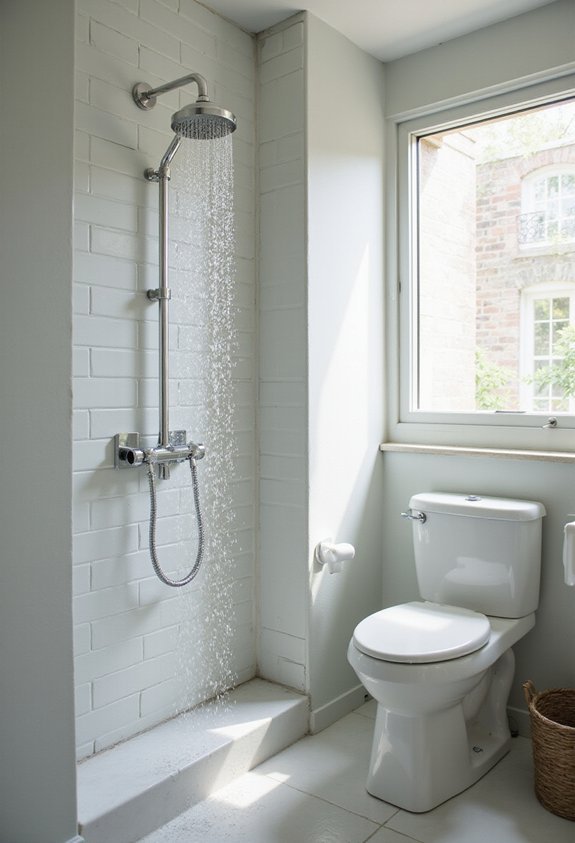
Your shower’s probably guzzling water like it’s training for the Olympics, and you’re basically flushing money down the drain—literally. But here’s the good news: you can fix this mess without breaking the bank.
Low-flow showerheads cut water use in half, dropping from five gallons per minute to two-point-five. They’re cheap—like twenty bucks cheap—and take five minutes to install. Your wallet and the planet both win.
Toilets are water hogs too. Dual-flush models let you pick between light and heavy flushes, saving thousands of gallons yearly. Kitchen faucets with aerators? They’re tiny metal screens that trick water into feeling fuller while using less.
These upgrades pay for themselves through lower bills. Your future self’ll thank you.
Smart Thermostats and Home Automation
While you’re patting yourself on the back for those water-saving fixes, here’s something that’ll really make your energy bills scream for mercy: heating and cooling your home like it’s an Arctic research station in summer.
Smart thermostats are your secret weapon. They learn your schedule and adjust temperatures automatically, so you’re not paying to heat an empty house. Seriously, it’s like having a tiny robot butler who actually cares about your wallet.
Install one and watch your heating and cooling costs drop by 10-15 percent. Your thermostat remembers when you’re home, when you’re sleeping, and when you’re pretending to work. It’ll even send alerts to your phone if something’s wrong.
Home automation systems let you control everything remotely. Lights, appliances, security—all from your phone. You’ll feel like a tech wizard without the pointy hat.
Green Roofing Options
If you’ve got a roof that’s basically a heat magnet cooking your house like an oven, green roofing might just be your answer. These living roofs are covered with plants and soil—basically gardens sitting on top of your home. They’re pretty cool, literally and figuratively.
Your roof’ll stay way cooler because plants are basically nature’s air conditioning. That means your AC doesn’t work as hard, and your energy bills drop faster than your jaw when you see them. Plus, green roofs last longer—sometimes twice as long as regular ones.
They’ll absorb rainwater instead of letting it run off everywhere. Your garden grows food or flowers. Wildlife gets a new home. You get to brag about having a rooftop garden while saving serious cash.
LED Lighting Throughout Your Home
Now let’s flip the switch to something way easier than building a rooftop garden—LED lighting. You’ll love this: LEDs use about 75% less energy than old incandescent bulbs. They’re basically tiny power-saving ninjas living in your fixtures.
Here’s the funny part—they last way longer too. We’re talking 25,000 hours of light. That’s like leaving a bulb on for three years straight without it dying. Your electricity bill won’t need life support anymore.
Start replacing bulbs in high-traffic areas first. Your kitchen and living room get the biggest wins. Swap out those warm white or cool blue LEDs depending on your vibe.
Installation? Ridiculously simple. Screw them in like normal bulbs and watch your power costs plummet. Your wallet will actually thank you this time.
Low-Flow Plumbing Upgrades
After you’ve conquered your lighting situation, it’s time to tackle your toilets and showers—because your water bill deserves the same mercy as your electricity bill. Low-flow fixtures are basically water’s bouncers, letting just enough through while kicking waste out. Install showerheads using 2 gallons per minute instead of 5, and watch your water usage plummet faster than your jaw when you see the savings. Toilets guzzle water like nobody’s business, but dual-flush models cut consumption dramatically. You’ll save roughly 13,000 gallons yearly—that’s Olympic-swimming-pool levels of water staying in your wallet instead of down the drain. Plus, you’re not sacrificing pressure or performance. It’s a win-win where everyone leaves happy.
Recycled and Reclaimed Building Materials
While you’re patting yourself on the back for all that water you’re saving, here’s another way to feel smug about your eco-choices: recycled and reclaimed building materials. You can snag old hardwood flooring, vintage doorknobs, and weathered barn wood from salvage yards. These treasures cost way less than brand-new stuff, and they’ve got serious character. That reclaimed 2×8 beam? It’s already aged to perfection. Recycled tiles, bricks, and stone add unique flair to bathrooms and kitchens. Plus, you’re keeping junk out of landfills. Hunt local salvage shops and online marketplaces for deals. Your home gets authentic charm, your wallet stays happy, and Mother Earth gets a high-five. Win-win-win, baby.
High-Efficiency HVAC: The Green Upgrade
Your HVAC system’s been huffing and puffing like it’s running a marathon, right? Well, here’s the good news: upgrading to a high-efficiency model cuts your energy bills by up to 40 percent. These modern units work smarter, not harder, which means your wallet stays happier and the planet does too.
High-efficiency systems use variable-speed motors that adjust power based on your home’s actual needs. No more wasting energy like it’s going out of style. You’ll notice quieter operation and more consistent temperatures throughout your space. Plus, many models qualify for tax credits and rebates, putting actual cash back in your pocket.
The initial investment pays for itself through lower monthly bills. Your future self will thank you for this seriously smart upgrade.
Low-VOC Paint and Non-Toxic Finishes
Paint fumes aren’t exactly the fresh scent of success, are they? When you’re painting your walls, regular paint releases volatile organic compounds—or VOCs—that make you dizzy and give you headaches. Not fun. Low-VOC paints? They’re the heroes you didn’t know you needed. These paints contain fewer nasty chemicals, so you won’t feel like passing out mid-brushstroke. Your lungs will thank you, and your family won’t complain about mysterious headaches for weeks. Non-toxic finishes work the same magic on cabinets and trim. You’ll save money too—healthier indoor air means fewer doctor visits. Plus, low-VOC paints dry faster and smell way better. It’s basically paint that doesn’t punish you for wanting a fresh coat of color.
Financing Your Project: Loans, Rebates, and Tax Credits
Before you start maxing out your credit cards on eco-friendly upgrades, here’s the good news—you don’t have to go broke going green. Uncle Sam actually wants to help you out. Federal tax credits can knock serious cash off your return when you install solar panels or upgrade insulation. Many states offer rebates too—we’re talking hundreds of dollars back in your pocket. Some banks now offer green home loans with lower interest rates because, let’s face it, they’re finally catching on that the planet matters. Check your local utility company’s website; they often hide money behind programs most folks miss. You’ll find grants, rebates, and financing options that make eco-friendly renovations way more affordable than you’d expect. That’s music to your wallet’s ears.
Calculating Payback: Will This Upgrade Pay for Itself?
So you’ve found all that free money lying around—awesome! Now comes the fun part: figuring out if your shiny new eco-upgrade actually pays for itself. Here’s the deal—you’ll want to calculate your payback period. Take your upgrade’s total cost, then divide it by your yearly savings. Say you spent $3,000 on solar panels and save $500 annually. That’s six years until they’ve paid themselves back. Not bad! After that, you’re basically printing money—well, saving it anyway. Check your utility bills before and after the upgrade. Energy Star appliances, better insulation, and LED lights all shrink those numbers faster than you can say “reduced carbon footprint.” Your wallet—and the planet—will thank you.
Frequently Asked Questions
How Do I Find Reputable Eco-Friendly Contractors for My Home Renovation Project?
You’ll find reputable eco-friendly contractors by checking certifications like LEED or Green Building Council credentials, reading online reviews, requesting references, and asking about their sustainable practices. You can also contact local environmental organizations for contractor recommendations.
What Environmental Certifications Should I Look for When Selecting Green Building Materials?
You should look for FSC certification for wood products, LEED certification for overall building standards, and Energy Star labels for appliances. You’ll also want GreenGuard certification for low-emission materials and Cradle to Cradle for sustainable manufacturing practices.
How Long Does a Typical Eco-Friendly Home Renovation Project Take to Complete?
You’ll typically complete an eco-friendly home renovation in 3-6 months, depending on your project’s scope. Smaller updates like insulation or windows take 4-8 weeks, while whole-home renovations require 6-12 months. You should plan accordingly and budget extra time for sourcing sustainable materials.
Can I Implement Eco-Friendly Upgrades Gradually or Must I Renovate All at Once?
You can absolutely implement eco-friendly upgrades gradually. You don’t need to renovate everything at once. You’ll spread costs over time, prioritize what matters most to you, and adjust your approach as you learn what works best for your home.
What Maintenance Is Required to Keep Green Home Systems Functioning Optimally Long-Term?
You’ll maintain your green systems by scheduling annual inspections, cleaning solar panels quarterly, replacing HVAC filters regularly, and monitoring your insulation. You should also check weatherstripping yearly and service heat pumps professionally to guarantee efficient performance and durability.
Conclusion
You’ve got this! Going green doesn’t mean breaking the bank—it means being smart about your cash. You’ll save money on those utility bills while Mother Earth does a happy dance. Solar panels, new windows, and water-saving fixtures? They’re basically printing money for your wallet. Plus, you’ll feel good knowing you’re not destroying the planet. Your future self will high-five you, and that’s pretty awesome.