
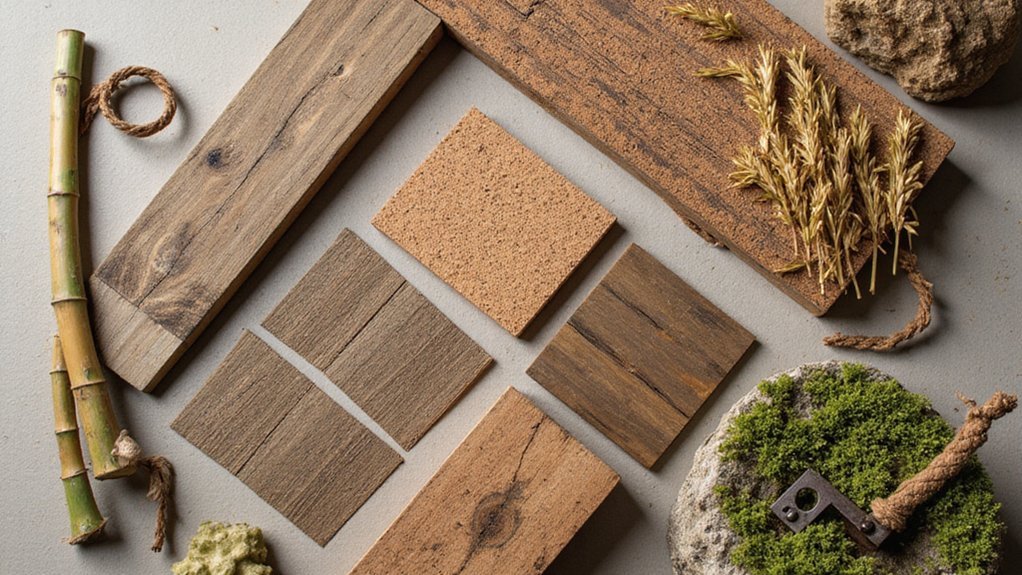
So you want a pergola that won’t make Mother Nature roll her eyes at you—smart choice. Building with eco-friendly materials means your backyard shade spot actually does some good, and honestly, your deck deserves better than guilt-tripping lumber anyway. From bamboo’s surprising strength to recycled plastic that laughs in the face of rot, you’ve got legit options here. But which material’s actually right for your space?
Sustainably Harvested Wood: The Durable Standard
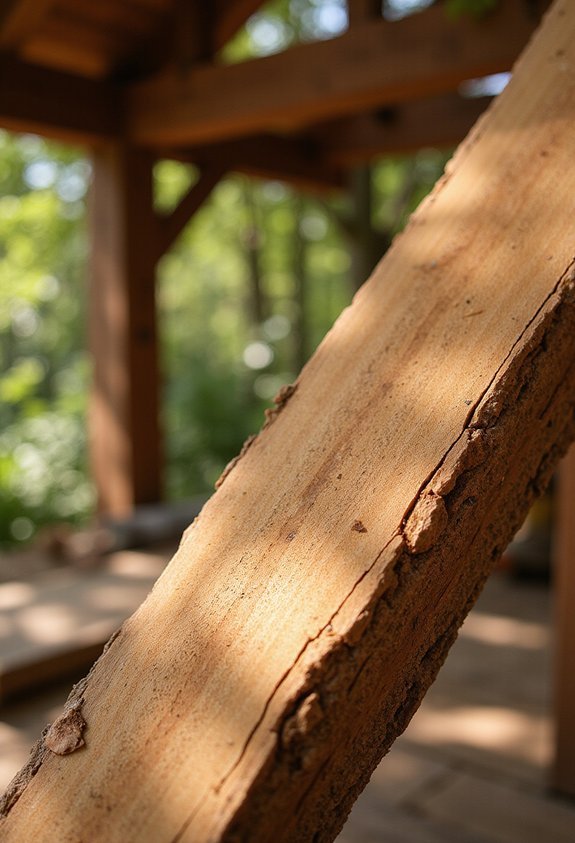
When you’re building a pergola that’ll actually stick around longer than your New Year’s resolutions, sustainably harvested wood is where it’s at. You’re basically choosing timber that didn’t demolish entire forests, and honestly, that’s pretty cool. Look for certifications like FSC or PEFC stamps—they’re like report cards for responsible logging. Cedar and redwood are your best friends here. They naturally resist rot and bugs without needing toxic chemicals, which means your wood won’t decompose faster than your motivation in February. These beauties last 15-20 years easy. Plus, that rich golden-brown color? It’ll weather to a gorgeous silvery-gray that looks intentional and sophisticated. Your pergola gets character, and Mother Nature gets a win. That’s what I call a solid deal.
Bamboo: Fast-Growing Strength
If you’re tired of waiting around like a sloth on sedatives, bamboo’s your answer. This stuff grows crazy fast—we’re talking three feet per year. You’ll practically watch it happen.
Bamboo’s stronger than it looks, honestly. Dense and flexible, it won’t snap when wind hits your pergola. Plus, it naturally resists bugs and rot without sketchy chemicals. Score one for Mother Nature.
Here’s the kicker: bamboo regenerates after harvesting. No replanting needed. It’s basically the renewable energy of the plant world, except it won’t make your electric bill confusing.
Your pergola gets that warm, honey-golden look too. It ages beautifully, turning silvery-gray over time. Pretty and practical? That’s bamboo flexing.
FSC-Certified Timber: Verified Responsible Sourcing
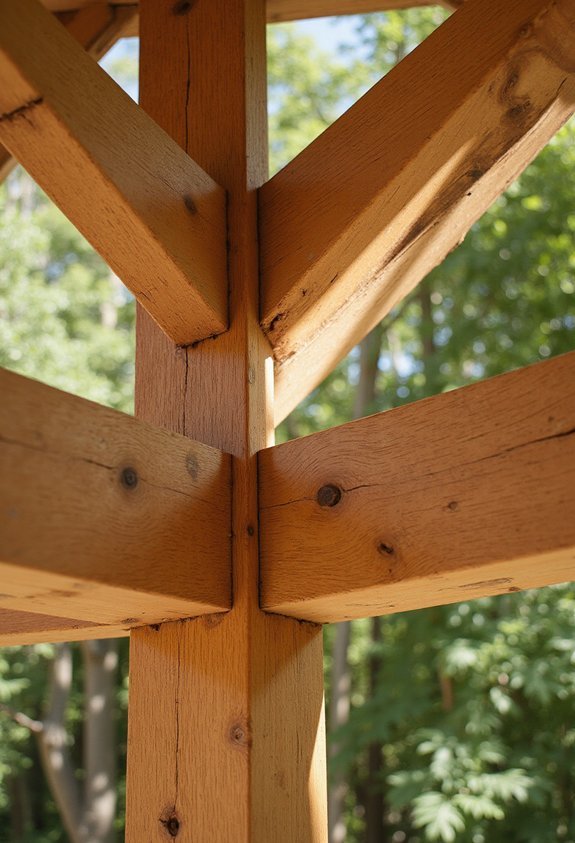
While bamboo’s awesome, there’s another heavyweight contender in the eco-friendly pergola game: FSC-certified timber. This stuff comes from forests that are actually managed responsibly—not just chopped down willy-nilly like some lumber villain’s dream.
FSC stands for Forest Stewardship Council, and they’re basically the timber world’s hall monitors. They verify that your wood came from forests where trees are replanted and wildlife gets to stick around. It’s like having a permission slip that actually means something.
You’ll spot the FSC label on certified pieces, usually a little checkmark logo. It’s your guarantee that you’re not accidentally funding deforestation. Your pergola becomes a statement piece—literally saying you care about our planet’s lungs.
Reclaimed Wood: Zero-Waste Character
Now here’s where things get really fun: reclaimed wood. You’re basically giving old timber a second life, and honestly, that’s pretty awesome. These weathered boards—often 2x8s or 2x10s—come from barns, factories, or demolished buildings. They’ve got character. Deep grain patterns, genuine nail holes, and colors ranging from rich chocolate to silvery gray tell stories you can’t fake.
Zero waste means nothing ends up in landfills. You’re rescuing history and building something beautiful simultaneously. Sure, reclaimed wood costs more upfront, but it’s worth every penny. Your pergola won’t look mass-produced. It’ll look genuinely cool.
Plus, you’re basically being an environmental superhero without needing a cape. How’s that for feeling good about your backyard?
Recycled Plastic Lumber: Maintenance-Free Durability
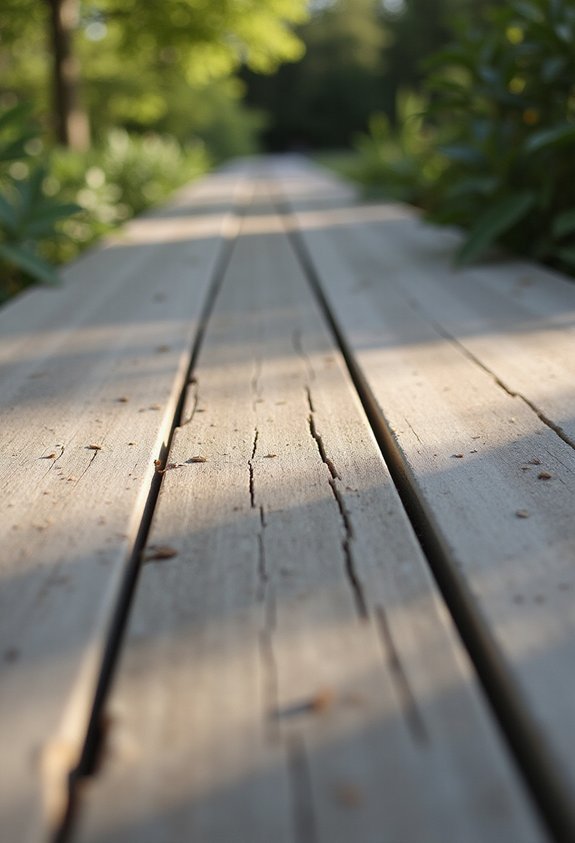
What if you could build a pergola that basically never needs babying? Recycled plastic lumber is your answer, friend. This stuff’s made from old milk jugs and shopping bags—basically trash transformed into gold. You won’t spend weekends staining, painting, or fighting wood rot like some sad homeowner. No splinters either, which means your barefoot trips are finally safe. The lumber comes in natural wood tones and subtle grays, looking surprisingly legit overhead. It won’t warp, crack, or invite termites to dinner. Installation’s identical to regular wood, so your skills transfer perfectly. Sure, it costs more upfront, but you’re banking years of maintenance-free living. Your future self will high-five you every time you skip yard work. That’s basically winning at adulting.
Recycled Composite Materials: Blended Performance
If you think recycled plastic lumber sounds good, wait till you meet its cooler cousin: recycled composite materials. These blended beauties mix wood fibers and recycled plastic together, creating the ultimate pergola superhero. You get the best of both worlds—wood’s natural warmth and plastic’s toughness. No splinters will ambush your bare feet. No rotting will ruin your weekend plans.
Composite materials won’t fade into an ugly gray like some materials do. They’ll keep their rich brown or warm tan color for years. Installation’s a breeze too. You’ll screw them together like you’re assembling furniture (hopefully with fewer leftover screws than usual). Your pergola stays strong through rain, snow, and scorching heat. Plus, you’re keeping waste out of landfills. That’s pretty darn cool.
Cork: Renewable and Natural Insulation
While composite materials are giving your pergola superhero strength, there’s another eco-friendly option that’s been protecting stuff for thousands of years: cork. This spongy material comes from tree bark—yes, actual bark—and it regenerates naturally. Pretty wild, right?
Cork won’t rot or absorb water like wood does. You can install 2-inch cork panels under your pergola’s roof beams for serious insulation. They’re lightweight, naturally tan-colored, and honestly kind of huggable-looking. Your pergola’ll stay cooler in summer and warmer in winter without any weird chemical smell.
The best part? Harvesting cork doesn’t kill trees. Farmers strip the bark every nine years, and it grows back. It’s basically the renewable resource that keeps giving. Your pergola becomes a cozy, eco-conscious hangout spot. And your carbon footprint? Noticeably smaller.
Green Pergola Toppers: Living Roofs and Walls
Your pergola’s about to get a serious glow-up with living roofs and walls—basically, you’re turning your outdoor space into a mini jungle. You’ll install climbing vines like clematis or ivy directly onto your pergola’s frame, and they’ll cover everything in gorgeous green within months. These plants don’t just look amazing; they’ll actually cool your space down by like 5-8 degrees. You can also add a living roof on top using shallow soil and hardy succulents—think sedums that won’t make your pergola sweat under pressure. The best part? Your plants photosynthesize all day while you sip lemonade underneath. It’s basically free air-conditioning that grows prettier every season. Your backyard becomes an oxygen factory, and honestly, that’s pretty leafy awesome.
Frequently Asked Questions
How Much Does an Eco-Friendly Pergola Cost Compared to Traditional Materials?
You’ll typically spend 20-30% more upfront on an eco-friendly pergola than traditional options. However, you’ll save money long-term through durability and minimal maintenance. You’re investing in quality materials that’ll last decades while protecting the environment.
What Is the Best Sustainable Material for My Climate and Weather Conditions?
You’ll want to assess your local climate first. For hot, dry regions, consider composite materials or bamboo. If you’re in wet climates, FSC-certified wood or recycled plastic composites work best. You should consult local experts who understand your area’s specific weather patterns.
How Do I Properly Install and Secure Sustainable Pergola Materials Myself?
You’ll secure sustainable pergola materials by anchoring posts in concrete footings, bolting beams together, and fastening cross-beams with stainless steel hardware. You should use a level constantly, pre-drill all holes, and follow the manufacturer’s installation guidelines for your specific material.
What Certifications Should I Look for When Purchasing Eco-Friendly Pergola Materials?
You should look for FSC, PEFC, and GreenGuard certifications when buying eco-friendly pergola materials. These verify sustainable sourcing, responsible forestry practices, and low chemical emissions. You’ll also want to check for local environmental certifications specific to your region.
How Long Will Sustainable Pergola Materials Last Before Requiring Replacement or Repairs?
You’ll find that sustainable pergola materials typically last 15-25 years with proper maintenance. Pressure-treated lumber, composite decking, and FSC-certified wood require regular sealing and inspection. You can extend their lifespan by addressing damage promptly and protecting them from extreme weather.
Conclusion
You’ve got amazing options for building a pergola that won’t wreck the planet. Whether you pick bamboo, reclaimed wood, or recycled plastic, you’re making Mother Earth smile. Your backyard’ll look fantastic and feel good about itself. Pick materials you love, build something sturdy, and enjoy those shady summer hangouts guilt-free. Your pergola’s gonna be the envy of the neighborhood—and way cooler than your neighbor’s plastic one.