
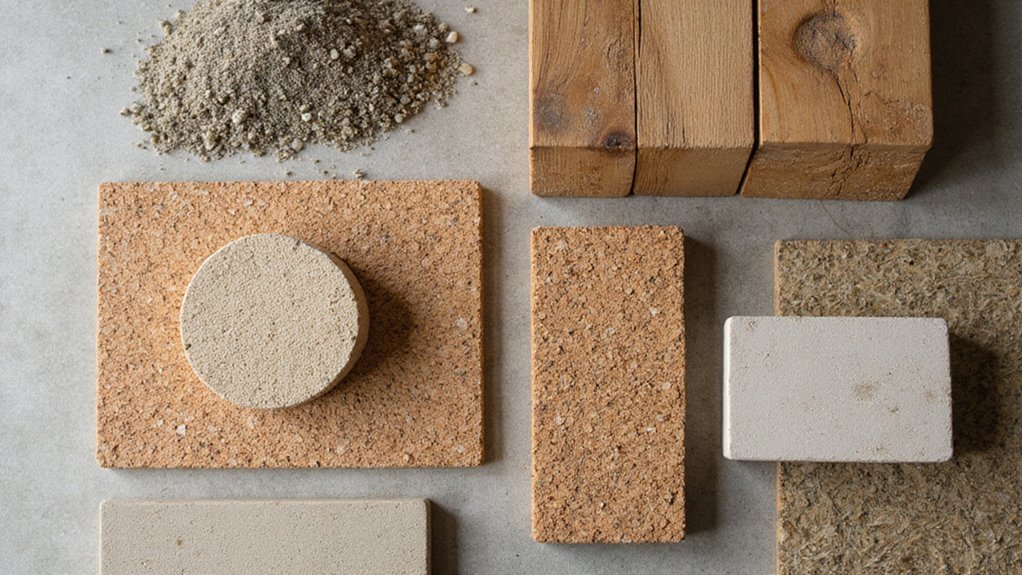
You’re ready to build or renovate, and you want your home to stop being an environmental villain. But here’s the thing—green materials aren’t just good for the planet; they’re actually better for your wallet and your walls. We’re talking reclaimed wood that won’t make your bank account cry, cork that won’t off-gas into your lungs, and roofing so durable it’ll outlive your questionable DIY decisions. Ready to discover which materials are worth the hype?
Green Materials Checklist: What Actually Matters
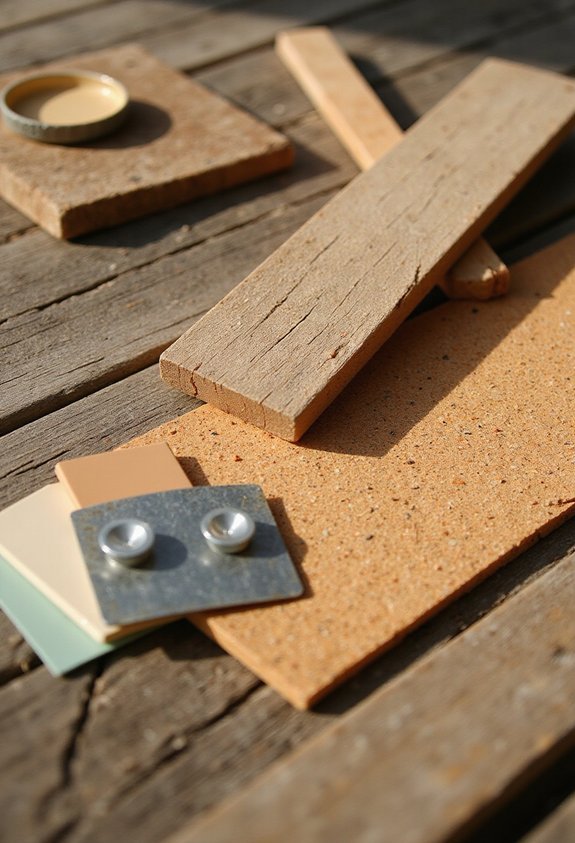
When you’re staring at a wall of building materials that all claim to be “eco-friendly,” it’s enough to make your brain leak out your ears. So here’s what actually matters: Look for certifications like FSC for wood and GreenGuard for low toxins. Skip materials with sketchy chemicals that’ll make your lungs regret existing. Check if stuff’s recyclable or made from recycled junk—seriously, old plastic bottles become amazing insulation. Find locally sourced options, which cuts carbon from shipping trucks rumbling across the country. Avoid greenwashing nonsense where companies slap green paint on regular products and call it environmental. You’re basically hunting for materials that won’t poison your family, won’t destroy forests, and actually work for decades. That’s the real checklist.
Reclaimed Wood: Durability Without New-Growth Impact
Most reclaimed wood comes from old barns, warehouses, and buildings that’ve already lived several lifetimes. You’re basically giving these weathered planks a second chance at glory, and honestly, they’re pretty stoked about it.
Here’s the thing: reclaimed wood doesn’t need babying like new growth does. Those rich, dark grains and natural knots? That’s character you can’t fake. Your floor or wall won’t just look amazing—it’ll actually last decades without guilt.
Plus, you’re keeping tons of timber out of landfills. That’s the kind of environmental win that feels good without requiring a shower afterward.
Sure, reclaimed wood costs more upfront. But you’re getting durability AND sustainability rolled into one gorgeous package. Your future self will high-five you for this choice.
Cork and Bamboo: The Affordable Flooring Alternatives
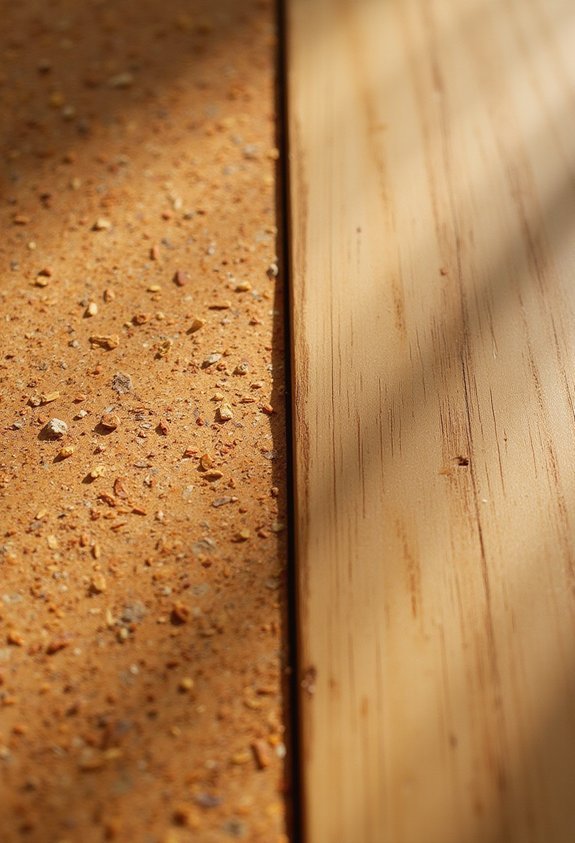
If reclaimed wood‘s got you sweating over the price tag, cork and bamboo are here to save your wallet—and your floors. Cork comes from tree bark, and it’s bouncy, warm, and naturally comfy underfoot. Your feet will thank you. Bamboo grows fast—super fast—making it ridiculously sustainable and way cheaper than hardwood. Both handle moisture better than you’d expect, though they’re not perfect in bathrooms. Cork’s got that spongy, tan appearance that makes rooms feel cozy. Bamboo ranges from light honey tones to deep chocolate shades, depending on the processing. Installation costs less too. You’re getting eco-friendly vibes without emptying your bank account. That’s a win worth celebrating.
Recycled Metal Roofing: Long-Lasting Durability
Your wallet’s already happy from those budget-friendly floors, so let’s talk about what’s literally over your head—your roof. Recycled metal roofing is basically a superhero in disguise. These panels last 40-70 years, which means you won’t be replacing them when you’re ancient. They’re made from reclaimed steel or aluminum, so you’re keeping junk out of landfills and looking cool doing it. Metal roofs reflect sunlight like a mirror, keeping your home cooler and your AC bills lower. They’re lightweight but tough, handling hail and storms like champions. Sure, they cost more upfront than asphalt shingles, but you’ll laugh all the way to the bank during year fifteen when your neighbors’ roofs are falling apart. Your future self will thank you endlessly.
Recycled Glass Countertops: Style With Low Impact
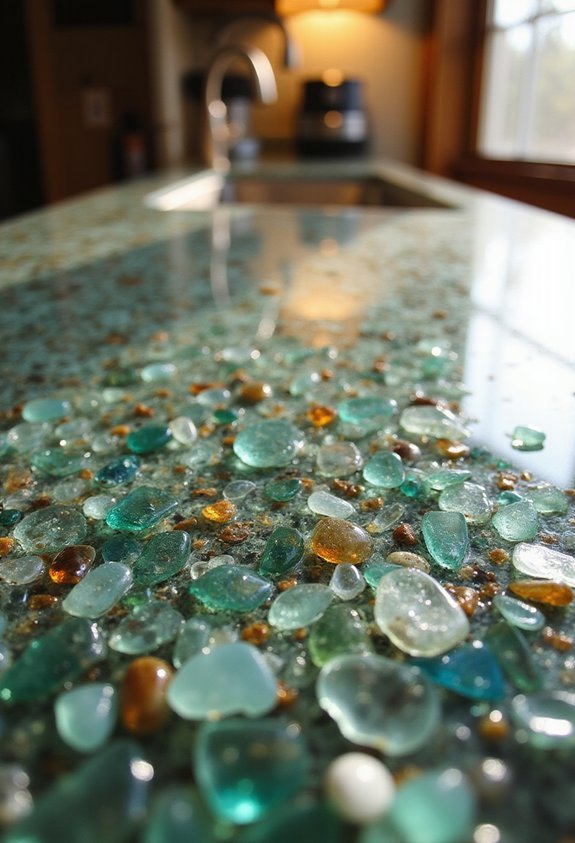
While you’re admiring your shiny new metal roof, don’t forget what’s happening down in the kitchen—your countertops are basically the stage where all your cooking magic happens. Recycled glass countertops are crushing it right now, and honestly, they’re stunning. You get gorgeous blues, greens, and ambers mixed with concrete or resin bases. They’re tough as nails and won’t scratch easily. Plus, you’re keeping glass out of landfills, which feels pretty awesome. Installation runs about 75 to 150 dollars per square foot, but these babies last for decades. They’re heat-resistant and super easy to clean. Sure, they require resealing occasionally, but that’s not exactly rocket science. Your kitchen transforms into an eco-friendly showstopper that’ll make your guests seriously jealous.
Hempcrete: Insulation That Cuts Carbon Fast
Now let’s talk about what’s holding up those beautiful walls and keeping your home cozy—hempcrete’s where the real carbon-cutting magic happens. This stuff is basically concrete’s eco-friendly cousin. You mix hemp fibers with lime and water, and boom—you’ve got walls that actually breathe. Your home won’t trap moisture like a sweaty gym bag anymore. Hempcrete weighs about 110 pounds per cubic foot, so it’s light but mighty. The pale beige color looks naturally earthy and warm. Install it as blocks or pour it directly between wooden frames. Here’s the kicker: hempcrete absorbs carbon dioxide while it cures, actively fighting climate change. Your walls aren’t just sitting there looking pretty—they’re literally scrubbing the air cleaner. That’s insulation with a conscience.
Low-VOC Paints: Breathe Easier (No Off-Gassing)
Once you’ve got those hempcrete walls breathing easy, it’s time to slap on some paint that won’t turn your home into a chemical factory. Regular paint releases volatile organic compounds—basically toxic fumes that’ll make your nose run and your head pound. Not fun.
Low-VOC paints? They’re the heroes here. They’ve got super low chemical emissions, so you won’t spend weeks wondering why you smell like a science lab. Your lungs will thank you, seriously.
Here’s the thing: low-VOC options come in every color imaginable. Deep blues, cheerful yellows, calming greens. They’re also way better for kids and pets who can’t escape nasty fumes.
Sure, they cost slightly more upfront. But breathing without headaches? That’s priceless. Your future self will high-five you.
Frequently Asked Questions
How Much More Do Green Building Materials Typically Cost Compared to Conventional Options?
You’ll typically pay 5-15% more for green building materials upfront, but you’ll recover those costs through lower energy bills, reduced maintenance expenses, and increased home value over time. Your long-term savings often outweigh initial investment differences.
Where Can Homeowners Source Authentic Reclaimed and Recycled Materials Locally or Regionally?
You’ll find authentic reclaimed materials at local salvage yards, architectural salvage shops, and deconstruction companies in your region. You can also check online marketplaces, attend building material exchanges, and contact local contractors who’ve got connections to reliable sources nearby.
Do Green Materials Require Special Installation Techniques or Certified Contractors for Proper Application?
You’ll find that most green materials don’t require special installation—standard contractors can handle them. However, you should hire certified installers for complex materials like spray foam insulation or advanced recycled composites to guarantee you’re getting ideal performance and warranty coverage.
Which Green Materials Qualify for Government Tax Credits or Rebate Programs Currently?
You’ll qualify for tax credits and rebates when you install energy-efficient windows, insulation, heat pumps, solar panels, and cool roofs. You should check your local and federal programs, as you’ll find varying incentives depending on your location and material choices.
How Do Green Building Materials Perform in Extreme Climates or Harsh Weather Conditions?
You’ll find that quality green materials like recycled metal roofing, sustainable wood composites, and high-performance insulation withstand extreme temperatures, moisture, and UV exposure remarkably well. They’re engineered to outlast conventional materials in harsh climates.
Conclusion
You’ve got solid options for building greener. Reclaimed wood looks awesome and saves trees. Cork and bamboo won’t wreck your wallet. Recycled metal roofing lasts forever (seriously). Glass countertops sparkle and feel fancy. Hempcrete actually fights climate change while keeping you cozy. Low-VOC paint means you won’t pass out from fumes. Pick a few materials that match your style and budget. Your home’ll be beautiful, your conscience’ll be clear, and Mother Earth’ll thank you.