
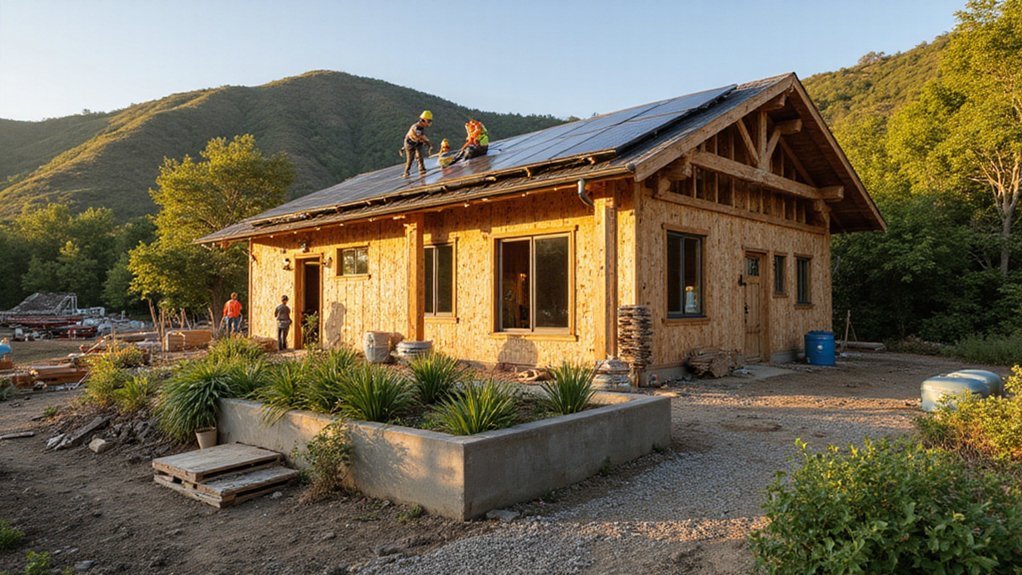
Look, you’re probably wondering if going green means your profits go red. Here’s the thing: you can actually build homes that save buyers money on utilities while boosting your bottom line. Solar panels, smart thermostats, and non-toxic finishes aren’t just feel-good stuff anymore—they’re market gold. But which upgrades actually pay for themselves, and which ones’ll drain your wallet faster than a leaky toilet? Let’s find out.
Why Green Home Construction Matters: Market Demand and Regulatory Trends
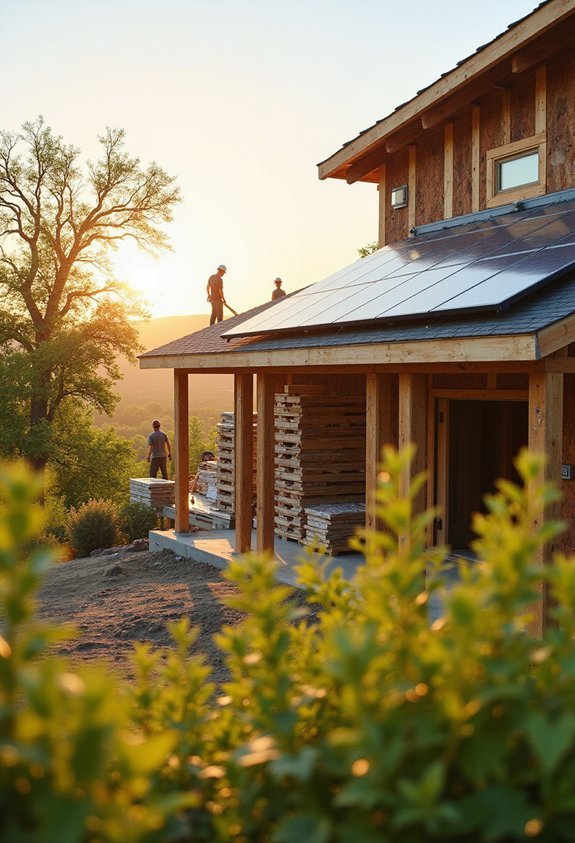
Because let’s face it, the housing market’s changing faster than you can say “carbon footprint,” and green building isn’t just some hipster trend anymore. Buyers want homes that don’t make Mother Nature want to hold her breath. You’re looking at serious demand here—folks’ll actually pay more for energy-efficient houses that won’t drain their wallets monthly. And governments? They’re basically forcing your hand with stricter building codes and tax incentives for sustainable construction. New regulations pop up constantly, making old-school building methods about as welcome as a skunk at a garden party. You’ve got to adapt or risk getting left behind in the dust. Green building isn’t optional anymore—it’s your competitive edge and the future of real estate. Smart builders are already cashing in.
Green Building ROI: Which Upgrades Pay for Themselves
So you’ve decided to go green—nice move! Here’s the real talk: some eco-upgrades actually *make* you money back. Solar panels are your biggest cash cow, cutting energy bills by 50% or more. They’re basically financial ninjas hiding on your roof. Energy-efficient windows? They’ll pay themselves off in 5-7 years while keeping your home cozy. Insulation is unglamorous but brilliant—it stops your heating dollars from literally floating away. LED lighting switches pay back in months, not years. Smart thermostats learn your schedule and stop wasting energy like a forgetful friend. Water-efficient fixtures save cash without sacrificing showers. The secret? Focus on upgrades that directly reduce utility bills. Your wallet and the planet? They’re becoming best friends.
Energy-Efficient HVAC and Smart Climate Control Systems
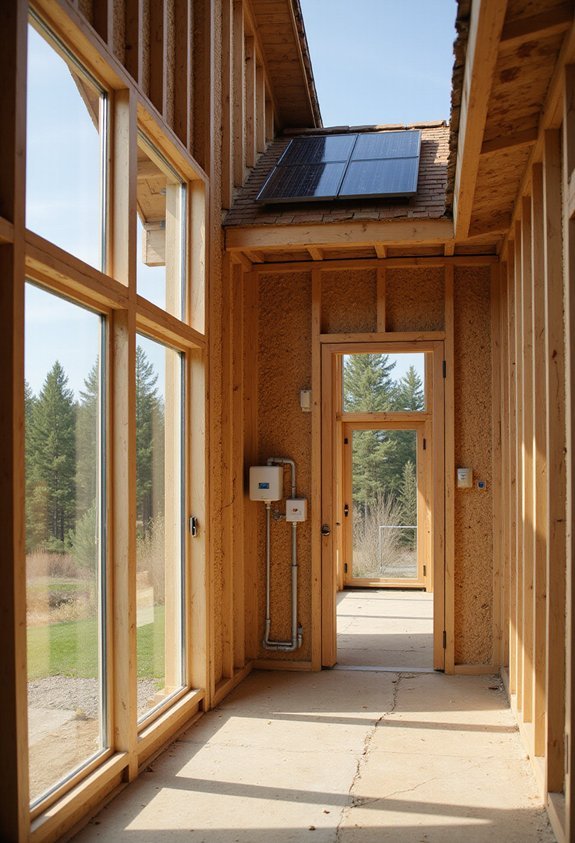
Ever notice how your old HVAC system works like it’s auditioning for a horror movie—loud, unpredictable, and absolutely terrifying your energy bill? Yeah, it’s time for an upgrade.
Smart climate control systems are basically your home’s personal thermostat therapist. They learn your schedule and adjust temperatures automatically. No more arguing with your family about whether 68 degrees is “cozy” or “arctic tundra.”
Energy-efficient HVAC units use 30-50% less energy than older models. They’re quieter too—your neighbors won’t hear your system having a nervous breakdown at 3 AM.
Smart thermostats work with your phone. You control everything remotely, even from vacation. Plus, they track your usage patterns and suggest savings. It’s like having an energy coach living in your wall, except way less creepy.
Solar Installation for Green Homes: Costs, Incentives, and ROI
Now that you’ve got your HVAC system running like a well-oiled machine, it’s time to tackle the real energy hog in your home—and I’m talking about the giant glowing thing in the sky. Solar panels aren’t just for hippies anymore. You’re basically paying the sun to power your stuff, and honestly, that’s genius.
Installation costs typically run $15,000 to $25,000 before incentives. But here’s the sweet part: federal tax credits knock off about 30 percent. Many states throw in rebates too. Your electric bills? They’ll shrink faster than your motivation on Mondays.
Most systems pay for themselves in six to eight years. After that, you’re basically stealing free electricity. Plus, your home value jumps. Solar’s not just green—it’s golden for your wallet.
Geothermal Heating and Cooling: Long-Term Efficiency Gains
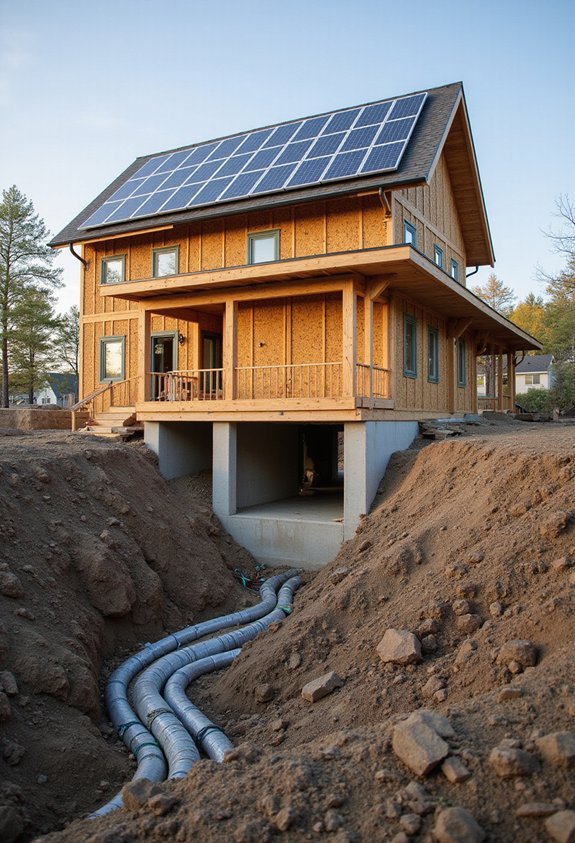
While solar panels grab all the glory, there’s something equally awesome happening right beneath your feet—geothermal heating and cooling. You’re basically tapping into Earth’s natural furnace, and it’s totally genius. Your system pumps heat from 300 feet underground where temperatures stay consistently warm year-round. No sweating through summer or freezing in winter—your home stays perfectly cozy. Installation costs around $15,000 to $30,000, but here’s the kicker: you’ll recover that investment in 5-10 years through lower energy bills. We’re talking 400% return on investment eventually. Your geothermal setup works 24/7 without drama, reducing energy consumption by 70%. Plus, it’s underground, so no unsightly equipment cluttering your yard. Earth’s basically doing the heavy lifting while you relax.
Insulation Strategies: Spray Foam, Cellulose, and Mineral Wool Compared
If you’ve ever wondered why some homes stay toasty while others leak heat like a sieve, insulation’s your answer—and it’s way more interesting than it sounds. Spray foam expands like a marshmallow in a microwave, sealing every tiny crack. You’ll get an impressive R-value around 6 per inch, but it costs more and needs professional installation. Cellulose, made from recycled newspaper, sits around R-3.5 per inch and won’t break the bank. It’s also eco-friendly, though it can settle over time. Mineral wool rocks at R-3.8 per inch, handles moisture like a champ, and resists fire better than its competitors. Each option’s got personality—pick based on your budget, climate, and how much you love Earth.
Low-Flow Fixtures and Smart Meters for Water Conservation
Your shower’s probably guzzling water like it’s going out of style, but low-flow fixtures and smart meters are here to save the day—and your water bill. Low-flow showerheads reduce water use to 2 gallons per minute instead of 5, and you’ll barely notice the difference. Install aerators on bathroom and kitchen faucets, and you’re golden. Smart meters? They’re basically your water’s personal trainers, showing you exactly where you’re wasting H2O. You’ll see real-time usage on your phone and get alerts when something’s leaking. Toilets use the most water indoors, so dual-flush models let you choose your flush power. These upgrades cost less than you’d think, pay for themselves quickly, and help the planet. Plus, shorter showers mean more time for breakfast.
Capture and Reuse: Greywater and Rainwater Harvesting Systems
Once you’ve squeezed every drop from your low-flow fixtures, it’s time to stop letting perfectly good water go down the drain—literally. Rainwater harvesting systems collect roof runoff into tanks—think of them as your home’s personal water savings account. You’ll capture thousands of gallons annually, perfect for watering gardens and washing cars. Greywater systems are trickier but brilliant. They redirect shower, sink, and washing machine water into underground storage tanks. This water’s not potable, but it’s gold for landscapes. Install a simple 500-gallon tank on your roof’s downside, and boom—free irrigation all summer. Your plants won’t judge the water’s previous life, and your utility bill will shrink faster than wet jeans. Win-win!
Low-Impact Building Materials: Recycled, Reclaimed, and Renewable Options
While you’re patting yourself on the back for saving water, let’s talk about what you’re building with—because standard construction materials are basically environmental villains in disguise. You’ve got options, though, and they’re pretty awesome.
Recycled steel and reclaimed wood aren’t just trendy—they’re genuinely brilliant. That barn wood from 1887? It’s tougher than new stuff and has character for days. Cork flooring is springy, renewable, and won’t judge your clumsy morning walks. Bamboo grows ridiculously fast, unlike trees that take forever being all noble and slow.
You can also grab recycled glass countertops that sparkle like tiny disco balls. Straw bales make surprisingly solid insulation. These materials cut waste, reduce manufacturing emissions, and honestly look cooler than boring drywall. Your home becomes an environmental victory lap.
Where to Source Green Materials: Suppliers, Costs, and Timelines
Now that you’ve picked out all these awesome green materials, here comes the fun part—actually finding them without selling a kidney. Local salvage yards are your best friends here. They’re basically treasure chests filled with reclaimed wood, vintage fixtures, and recycled brick. Prices run anywhere from 30 to 60 percent cheaper than brand-new stuff. Online marketplaces like Craigslist and Habitat for Humanity ReStores offer solid deals too. Expect to wait 2 to 4 weeks for bulk orders from specialized green suppliers. Pro tip: call ahead. Nothing stinks worse than driving across town for materials that sold yesterday. Building supply stores increasingly stock eco-certified options now. Compare prices across three to five vendors. Your wallet—and the planet—will thank you.
Non-Toxic Finishes and Indoor Air Quality Standards
Your gorgeous new green home’s about to smell like a chemistry lab if you’re not careful—so let’s talk about finishes that won’t make your lungs file a complaint. You’ll want low-VOC paints and stains, which means fewer nasty fumes floating around your bedroom at 3 a.m. Look for products labeled with the GreenGuard or FloorScore certifications—they’re basically the good housekeeping seals of the eco-world. Your flooring matters too. Bamboo and cork won’t off-gas weird smells. Avoid anything with formaldehyde hiding in it. Install proper ventilation systems and crack windows during application. Your nose—and your kids’ noses—will thank you. Indoor air quality isn’t boring; it’s literally breathing easier.
Cool Roofs vs. Living Roofs: Installation and Cost Analysis
Once you’ve locked down your indoor air quality, it’s time to look up—literally at what’s covering your house. Cool roofs rock white or reflective coatings that bounce sunlight away, keeping things chill without breaking the bank. They’ll run you about $5,000 to $10,000 installed and last 15-20 years. Living roofs? Those green beauties sport actual plants and soil layers. Sure, they’re gorgeous and absorb rainwater like a sponge, but expect to pay $10,000 to $25,000. They weigh seriously heavy too—your house better be ready for that responsibility. Cool roofs win on budget and simplicity. Living roofs crush it on insulation and environmental drama. Pick what your wallet and roof can handle.
Green Building Certifications: LEED, ENERGY STAR, and Market Value
Certifications like LEED and ENERGY STAR aren’t just fancy letters you can slap on your house like a participation trophy—they’re actually proof that your home’s built right and won’t leak money (or heat) everywhere. You’ll get these badges by hitting specific energy-saving targets and using sustainable materials. A LEED-certified home can sell for 3-5% more than standard houses. ENERGY STAR homes? They’re energy hogs’ sworn enemies, cutting utility bills considerably. You’re basically telling future owners, “This place won’t drain your wallet faster than a toddler empties a juice box.” Getting certified costs extra upfront, sure. But you’ll recoup that investment through resale value and lower operating costs. It’s a win-win situation.
How to Market Green Homes to Eco-Conscious Buyers
Now that you’ve got those fancy green certifications hanging on your wall like badges of honor, it’s time to shout about them to people who actually care. Create social media posts showing off your solar panels gleaming in the sunlight. Write blog articles explaining how your homes’ll slash energy bills by 30 percent. Host open houses where buyers can touch the recycled materials and see the tankless water heaters up close. Partner with eco-friendly real estate agents who speak fluent “sustainability.” Use green language in your listings—words like “carbon-neutral” and “sustainable” make wallets open wider. Film short videos of happy homeowners enjoying their guilt-free living spaces. Target environmental blogs and forums where green-minded folks actually hang out. They’re hungry for homes that match their values, and you’re serving exactly what they want.
Frequently Asked Questions
What Is the Typical Construction Timeline for Eco-Friendly Green Homes Versus Conventional Builds?
You’ll typically spend 10-20% longer on eco-friendly builds compared to conventional homes. You’re coordinating specialized materials, installing advanced systems, and completing extra certifications. However, you’ll recoup time through long-term efficiency gains and reduced maintenance requirements.
How Do Green Homes Perform During Extreme Weather Events and Natural Disasters?
You’ll find that green homes outperform conventional builds during extreme weather. They’re engineered with superior insulation, reinforced structures, and sustainable materials that resist damage better. You’ll experience improved safety and minimal property loss when disasters strike your eco-friendly home.
Can Existing Older Homes Be Retrofitted With Green Construction Upgrades Cost-Effectively?
Yes, you can retrofit your older home cost-effectively. You’ll find affordable upgrades like improving insulation, installing energy-efficient windows, upgrading HVAC systems, and adding solar panels. You’ll prioritize projects by energy savings potential and tackle them gradually to manage expenses.
What Maintenance Requirements Differ Between Green Homes and Traditionally Built Properties?
You’ll find that green homes require specialized upkeep for solar panels, energy-efficient HVAC systems, and advanced insulation. You’ll benefit from fewer traditional repairs, but you’ll need qualified technicians familiar with eco-friendly technology maintenance.
How Do Green Home Construction Costs Vary by Geographic Location and Climate Zone?
You’ll find green home costs fluctuate based on your region’s climate demands. Colder zones require enhanced insulation investments, while hot climates need superior cooling systems. Local material availability and labor costs also drastically/substantially/enormously/vastly impact your overall construction expenses.
Conclusion
You’ve got this! Green homes aren’t just better for Mother Earth—they’re better for your wallet too. Sure, you’ll spend more upfront on solar panels and fancy windows, but you’ll laugh all the way to the bank with lower utility bills. Plus, eco-conscious buyers will actually want your homes. So go forth, build green, and watch your reputation (and profits) skyrocket. Your planet’s thanking you already!