
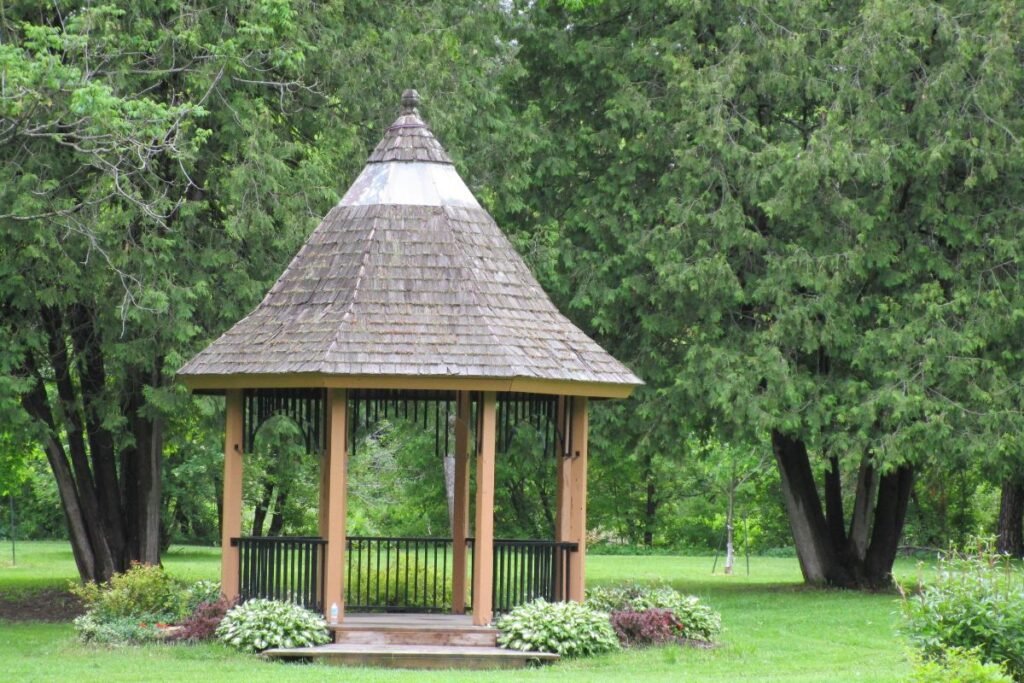
When you picture your ideal backyard pavilion, you probably imagine warm evenings, relaxed gatherings, and a structure that feels solid and inviting year after year. What many homeowners overlook is how dramatically climate shapes whether that vision holds up over time or slowly deteriorates under weather stress. A pavilion that performs beautifully in a mild southern state may struggle under heavy Canadian snow, just as a structure designed for harsh winters may be overbuilt for a warmer coastal climate. If you choose based purely on appearance or price, you risk facing warping, sagging, or expensive retrofits sooner than expected. Understanding how climate impacts your pavilion choice allows you to invest wisely, build confidently, and enjoy your outdoor space without worrying about what the next season might bring.
Why Climate Should Guide Your Pavilion Decision
Structural Performance Over Style
It is easy to fall in love with design photos, especially when exposed beams and open layouts look stunning in curated backyard settings. However, real-world performance depends far more on structural capacity than visual appeal, and that distinction becomes clear once weather enters the equation. If you live in a region with significant snow loads, high winds, or freeze-thaw cycles, your pavilion must be engineered to handle those stresses without shifting or weakening. You may not notice the difference on the day it is installed, but over the course of several winters or storm seasons, the structural integrity will quietly prove whether the right decisions were made. Prioritizing strength and engineering first ensures that style remains enjoyable rather than becoming a source of maintenance frustration.
The Cost of Ignoring Climate
Ignoring climate realities can lead to problems that show up slowly but expensively, such as roof sagging under snow weight or wood splitting from repeated freezing and thawing. Many homeowners only realize the impact of these stresses after their first harsh season, when cracks appear or connections loosen unexpectedly. What initially seemed like a smart budget decision can quickly turn into repair bills, reinforcement work, or even partial rebuilds. You may also find that maintenance demands increase significantly when materials are pushed beyond what they were designed to handle. Choosing with climate in mind from the beginning often costs slightly more upfront but protects you from far greater expenses and inconvenience down the line.
Key Climate Differences Between the USA and Canada
Snow Load and Winter Severity
One of the most significant differences between many parts of the USA and much of Canada is the intensity and duration of winter. In large regions of Canada, heavy snow accumulation is not occasional but expected, which directly affects roof pitch, beam thickness, and overall structural design. Northern states in the USA can share similar challenges, yet southern and coastal states may rarely experience sustained snow loads. If you live in a snow-heavy region, your pavilion must be built to carry that weight safely without deflection. Ignoring snow load calculations can compromise both safety and longevity, which is why winter severity should be one of your first design considerations.
Temperature Extremes
Temperature swings also influence pavilion performance in ways that are less visible but equally important. In Canada and northern USA regions, freeze-thaw cycles cause materials to expand and contract repeatedly, stressing joints and fasteners over time. In contrast, southern USA climates may expose structures to prolonged heat and intense UV radiation, which accelerates drying and surface degradation. If your pavilion materials are not selected with these extremes in mind, you may notice faster wear, discoloration, or structural fatigue. Understanding your local temperature patterns helps you select wood species, finishes, and hardware that can handle those environmental shifts without weakening.
Wind and Storm Exposure
Wind patterns vary significantly across North America, from prairie gusts and coastal storms to hurricane-prone southern states. High winds place lateral stress on posts, beams, and roof systems, especially in open backyard environments where structures are fully exposed. If your region experiences seasonal storms, anchoring systems and structural connections must be designed to resist uplift and movement. Many homeowners underestimate wind impact because damage is not always immediate, yet repeated exposure can loosen fasteners and weaken joints. Designing with wind resistance in mind ensures your pavilion remains stable and secure even when weather conditions become unpredictable.
Moisture and Humidity Levels
Moisture levels also differ widely, from humid coastal areas to drier inland regions, and each environment affects wood differently. In humid climates, prolonged exposure to moisture increases the risk of rot and fungal growth, particularly if ventilation and drainage are inadequate. In drier climates, intense sun and low humidity can lead to surface cracking and accelerated finish wear. If you do not account for these moisture patterns, maintenance requirements can become more demanding than expected. Selecting appropriate treatments and design features for your specific humidity level significantly extends the lifespan of your pavilion.
Heavy Timber vs Light Timber in Different Climates
When Heavy Timber Makes More Sense
In regions where snow loads, wind exposure, and long winters are common, heavier structural members offer a clear advantage in long-term performance. Larger beams and posts provide greater load-bearing capacity and resist deflection under weight, which is especially important in snow-prone areas. Homeowners exploring options like Heavy timber Pavilion USA in northern states or Heavy timber Pavilion Canada for harsher climates often do so because they understand that thicker timber delivers added security and durability. The visual presence of heavy timber also reinforces that structural strength, creating a sense of permanence that lighter builds may lack. While the upfront cost may be higher, the long-term resilience often justifies that investment in demanding environments.
When Light Timber Can Be Sufficient
In milder regions where snow loads are minimal and extreme weather is less frequent, lighter timber construction can perform effectively without unnecessary material costs. If you live in a climate with moderate temperatures and limited storm exposure, you may not need the same beam thickness or structural reinforcement required in colder zones. This does not mean compromising on quality, but rather matching structural capacity to realistic environmental demands. Overbuilding in a mild climate can increase cost without delivering proportional benefit. Evaluating your local conditions carefully ensures you invest in strength where it is needed rather than where it is simply impressive.
Pavilion Roof Considerations by Climate
Roof Pitch for Snow Shedding
Roof pitch becomes especially important in regions with consistent snowfall because steeper angles allow snow to slide off more easily, reducing structural stress. A flat or low-pitch roof in a heavy snow zone may accumulate weight beyond its intended capacity, which increases risk over time. In contrast, milder climates can accommodate flatter designs without the same structural concerns. If you are designing for winter conditions, adjusting pitch is one of the most effective ways to protect your pavilion. This single design decision can dramatically influence performance and maintenance requirements.
Solid Roof vs Open Pavilion
Choosing between an open slatted roof and a solid roof also depends heavily on climate. In rainy or snowy regions, a solid roof provides meaningful protection and allows you to use the space more consistently throughout the year. In sunnier, drier climates, an open design may offer enough shade while maintaining airflow and reducing construction cost. You may prefer the aesthetic of open beams, but practicality often favors more coverage where weather is unpredictable. Matching roof style to your region ensures your pavilion remains functional rather than seasonal.
Roofing Material Choices
Roofing materials must also align with climate realities, whether that means metal for snow shedding, shingles for integration with your home, or polycarbonate for light transmission. In cold climates, materials must handle freezing temperatures without cracking, while in hot regions they must resist UV degradation. Choosing the wrong roofing material can increase maintenance and shorten lifespan. Evaluating durability alongside appearance helps you avoid costly replacements later. A climate-appropriate roof protects both the structure and your investment.
Foundation and Ground Considerations
Frost Lines in Canada
In many Canadian regions, frost lines extend deep into the ground, requiring foundations that reach below that depth to prevent movement. If footings are too shallow, freeze-thaw cycles can cause heaving, which gradually shifts or tilts the structure. You may not notice this immediately, but over time it can compromise alignment and stability. Designing foundations specifically for local frost conditions is not optional in colder climates. Proper footing depth ensures long-term structural integrity.
Soil and Drainage Differences
Soil composition and drainage patterns also vary across North America, influencing foundation performance. Expansive soils in some USA regions can swell and shrink with moisture changes, while wet climates require careful drainage planning to prevent water accumulation around posts. Ignoring soil behavior can undermine even the strongest pavilion design. You may need additional grading or drainage solutions depending on your location. Considering soil conditions early helps you avoid structural surprises later.
Maintenance Expectations in USA vs Canada
Wood Treatment Needs
Maintenance routines differ depending on UV exposure, humidity, and temperature extremes. In sunny southern climates, UV protection becomes a priority to prevent fading and surface degradation. In colder, wetter regions, moisture resistance and sealing are critical to prevent rot and cracking. You may need different treatment schedules depending on your climate, even for the same timber type. Understanding these regional differences allows you to plan realistic maintenance rather than reacting to damage.
Seasonal Inspection Routines
Seasonal inspections become especially important in climates with harsh winters or storm seasons. Checking connections, fasteners, and roof condition in spring and fall can prevent small issues from becoming major repairs. In snow-prone areas, inspecting for structural strain after winter is particularly wise. Regular inspections extend lifespan and protect your investment. Climate-aware maintenance ensures your pavilion continues to perform as intended.
Building Codes and Permit Differences
Structural Requirements
Building codes often reflect regional climate risks, particularly for snow load and wind resistance. In Canada and northern USA states, structural requirements may be stricter due to winter severity. You must ensure your pavilion design complies with local standards to avoid legal and safety issues. Ignoring code requirements can result in fines or forced modifications. Designing within code from the beginning ensures both safety and compliance.
Local Compliance Considerations
Permits and inspections vary by municipality, and climate-related standards often influence approval processes. In harsher climates, engineering documentation may be required to demonstrate load capacity. You may find that the approval process is more detailed in regions with extreme weather. Understanding these local expectations helps you plan timelines and budgets accurately. Compliance is not just bureaucratic, it protects structural performance.
Cost Implications of Climate-Based Decisions
Upfront Cost vs Long-Term Savings
Climate-adapted design may increase initial cost, especially when thicker timber, stronger foundations, or steeper roofs are required. However, these upgrades often prevent future repair expenses and structural reinforcements. You may spend more upfront but save significantly over decades of use. Climate-aware investment reduces the likelihood of premature replacement. In long-term perspective, appropriate design is financially prudent.
Engineering Costs and Customization
Colder or storm-prone regions may require additional engineering calculations and custom adjustments. These design services add to upfront cost but ensure structural adequacy. You may view these expenses as insurance against weather-related failure. Proper engineering enhances safety and durability. Climate-driven customization ultimately protects both your structure and your budget.
FAQs
Do pavilions in Canada need stronger beams?
Often yes, especially in regions with heavy snow loads.
Is heavy timber necessary in the USA?
It depends on your climate zone and weather exposure.
How does snow load affect pavilion design?
It influences roof pitch, beam thickness, and overall structural engineering.
Can I use the same pavilion design in both countries?
Not always, climate and building codes may require adjustments.
Does climate significantly change pavilion cost?
Yes, harsher climates typically require stronger materials and deeper foundations.
Conclusion
Choosing a pavilion without considering climate is like building without a foundation for reality. USA and Canada share many similarities, yet regional weather patterns demand thoughtful adaptation in structure, materials, and design. When you prioritize climate performance alongside aesthetics, you protect your investment and your peace of mind. The right pavilion is not simply the most beautiful option, but the one that thrives in your environment year after year. By aligning design decisions with climate conditions, you ensure your outdoor space remains reliable, safe, and enjoyable through every season.