
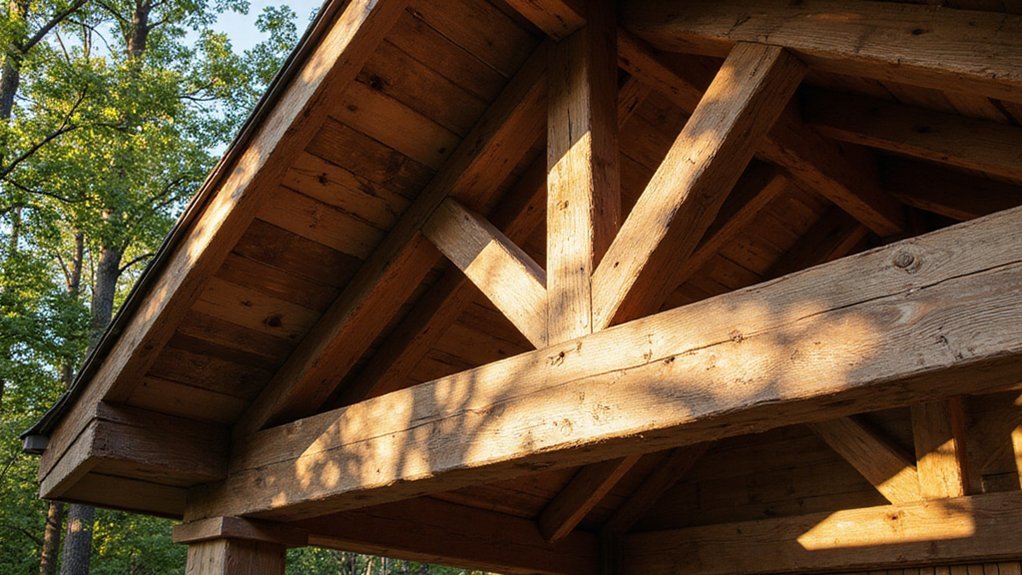
Here’s the thing about building with wood—you’ve got to get three major pieces right, and they’re all connected like a three-legged stool. First, you need forests that actually stick around. Then, you’ve gotta design smart so you’re not wasting boards like confetti. And finally, your timber’s got to tough it out for decades. But here’s where it gets interesting: mess up just one pillar, and the whole structure wobbles. So what’s the secret to nailing all three?
Responsible Forestry: Sustainable Timber Starts Here
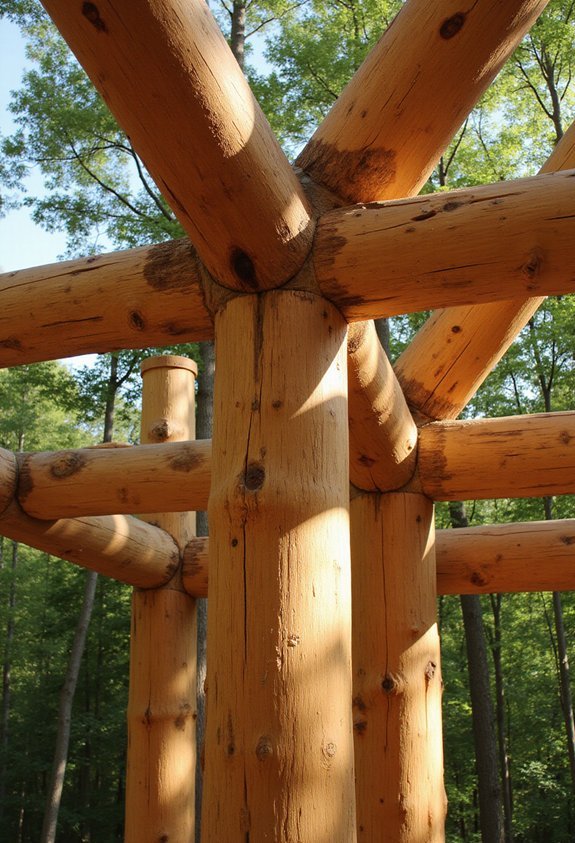
Most timber doesn’t just magically appear at the lumber yard—it’s gotta come from somewhere, and that somewhere is the forest. You’ve gotta know where your wood comes from, honestly. Responsible forestry means loggers aren’t just clear-cutting everything like they’re angry at trees. Instead, they’re replanting baby saplings and letting forests breathe and grow back. Think of it like your lawn—you mow it, but you don’t rip out the roots and salt the earth, right? When you choose sustainably harvested timber, you’re voting with your wallet for healthy forests. The trees are happy. The planet’s happy. And you get to build something awesome without feeling guilty about environmental destruction. That’s what responsible forestry delivers.
Efficient Design: Reducing Waste Without Compromise
How much wood could a woodworker waste if a woodworker didn’t plan?
A lot, honestly. You’re designing smart timber frames by sketching everything first. Measure twice, cut once—it’s not just catchy; it actually works. Your blueprint becomes your best friend, preventing those “oops” moments that cost serious cash and trees.
Think of your frame like a puzzle. Every piece matters. You’re arranging beams and joints so nothing gets wasted. A two-by-six fits here, scraps become smaller projects there. It’s satisfying, like solving a wooden Sudoku.
You’re also choosing materials strategically. Reclaimed wood, engineered beams, and locally-sourced timber all reduce waste. Your design respects resources while keeping the frame structurally solid.
When you plan efficiently, you’re not compromising strength or beauty. You’re just being responsible. And honestly? That feels pretty great.
Long-Term Durability: Why Buildings That Last Matter Most
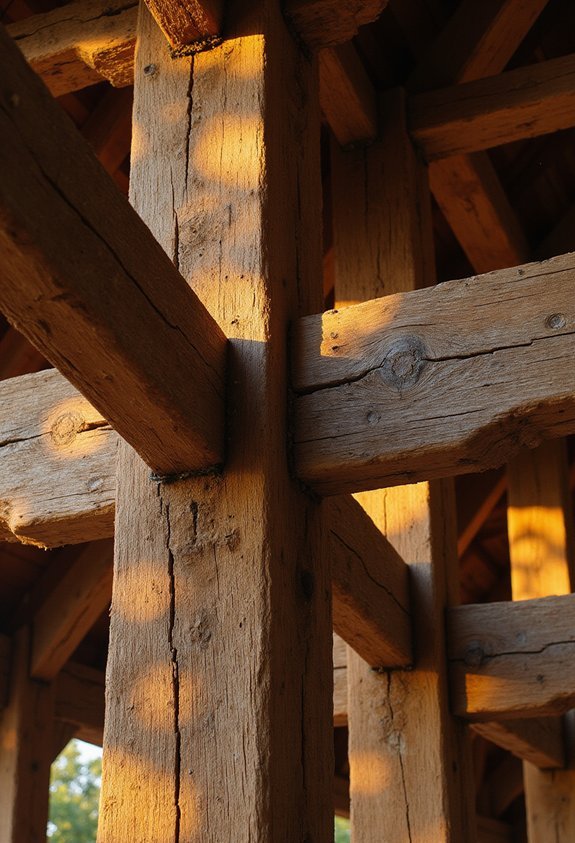
Because you’re building something that’ll probably outlive your favorite pair of jeans, durability isn’t just a nice bonus—it’s everything. When you choose quality timber and solid construction methods, your building won’t fall apart like a cheap cardboard box left in the rain. You’re fundamentally giving your structure superpowers that’ll keep it standing strong for decades, maybe even centuries. Think about it: would you rather rebuild your house every ten years or enjoy it for a hundred? That’s the durability difference. Quality timber resists rot, pests, and weather like a champion. Your investment pays dividends because you won’t hemorrhage money on constant repairs. Buildings that last aren’t just smarter—they’re kinder to our planet too.
Frequently Asked Questions
What Certifications Should I Look for When Sourcing Timber for Construction?
You should look for FSC (Forest Stewardship Council) and PEFC (Programme for the Endorsement of Forest Certification) certifications. These verify you’re sourcing responsibly harvested timber. You’ll also want SFI certification for North American wood products.
How Does Timber Frame Construction Compare in Cost to Conventional Building Methods?
You’ll typically pay 5-10% more upfront for timber framing, but you’ll save money through faster construction, reduced labor costs, and lower long-term energy expenses. You’re investing in durability and sustainability.
Can Timber Frame Buildings Withstand Earthquakes and Extreme Weather Conditions?
You’ll find that timber frame buildings can withstand earthquakes and extreme weather remarkably well. They’re naturally flexible, absorbing seismic energy effectively. Their lightweight design reduces stress on foundations, while proper engineering and modern connectors guarantee you’ve got superior durability and resilience.
What Maintenance Is Required to Preserve Timber Frame Structures Long-Term?
You’ll need to inspect timber regularly for rot and pests, maintain proper ventilation to prevent moisture buildup, seal joints periodically, and apply protective finishes. You should address damage promptly and guarantee good drainage around your structure’s foundation to preserve it effectively.
Are There Local Regulations or Building Codes Affecting Timber Frame Construction?
You’ll need to check your local building department’s codes, as they vary by region. You must comply with structural requirements, fire ratings, and seismic standards. You should consult your architect or building official to guarantee your timber frame project meets all applicable regulations.
Conclusion
You’ve got this! You’re building something that actually sticks around—literally. You’re picking forests that bounce back, designing smart to cut waste, and choosing timber that won’t fall apart next Tuesday. It’s like giving your house a long, healthy life instead of a one-hit wonder. Three pillars, endless wins. Your future self’s wallet will thank you, and Mother Earth won’t be mad either. That’s pretty awesome!