
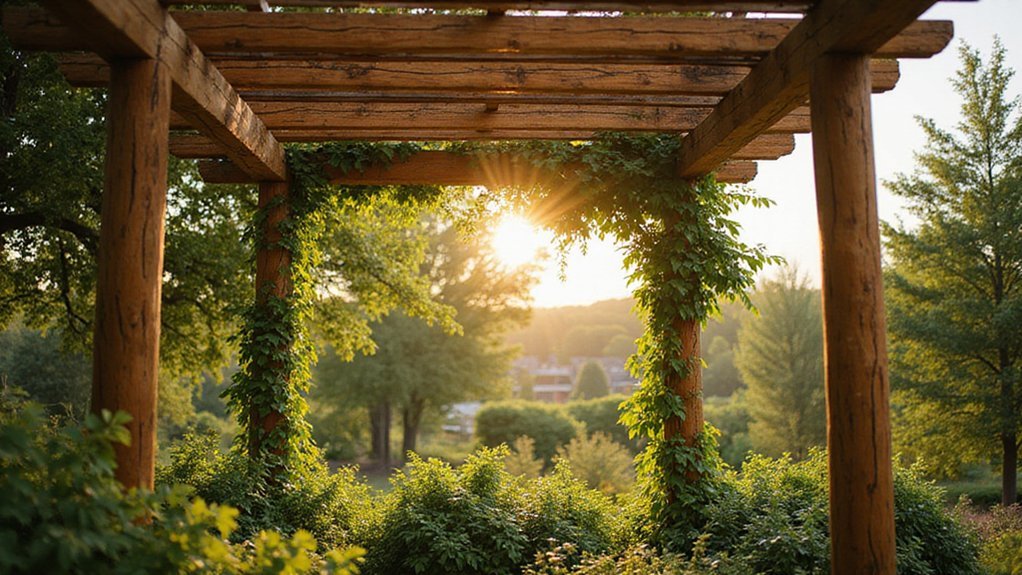
So you’re thinking about building a timber pergola and wondering if you’re actually helping the planet or just being a tree-killing villain. Here’s the thing: it’s complicated. Your backyard shade structure *could* be pretty green—or it could have a carbon footprint bigger than your actual feet. It all depends on where the wood comes from, how it’s treated, and whether you’re willing to do some detective work. Stick around and we’ll figure out what’s actually happening behind that rustic charm.
Is Timber Actually a Renewable Resource?
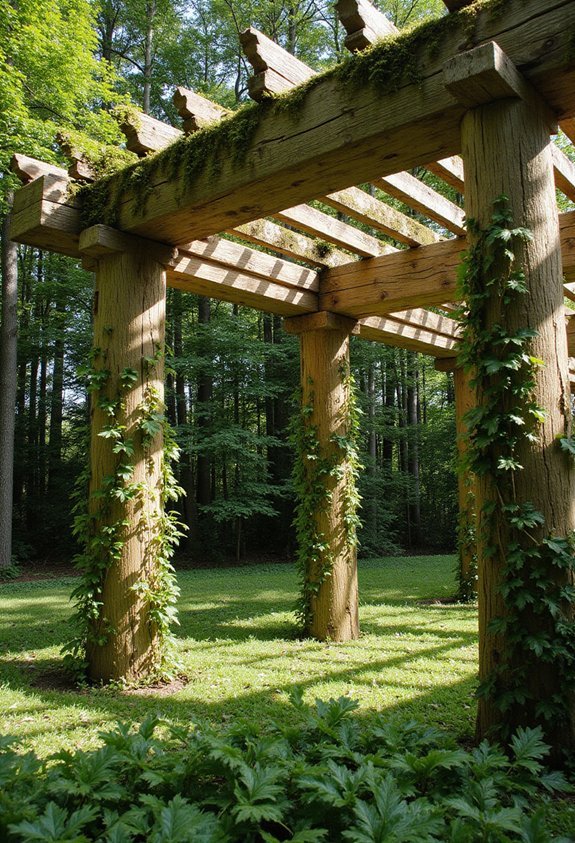
Here’s the thing about timber—it’s kind of like growing your hair back after a bad haircut. Trees actually regrow! You chop one down, and boom, another one sprouts up in its place. Well, sort of. It takes decades, not weeks, which is why we can’t just hack away willy-nilly.
When forests are managed responsibly, timber becomes renewable. Forestry companies plant new trees to replace harvested ones. It’s like nature’s recycling program, except way slower and involving more sawdust.
But here’s where it gets tricky. Not all timber comes from sustainable sources. Some logging operations strip forests bare without replanting anything. That’s about as eco-friendly as leaving the lights on in an empty room.
Where Your Wood Comes From Matters Most
You could buy timber from literally anywhere, but that doesn’t mean you should. Here’s the thing: where your wood comes from seriously matters for the planet. If you grab lumber from responsibly managed forests, you’re basically giving Earth a high-five. But if it comes from sketchy sources? You’re basically helping chop down the rainforest—yikes.
Look for certifications like FSC (Forest Stewardship Council). These labels prove your wood didn’t come from some questionable operation that makes trees cry. Local timber is usually your best bet. It travels fewer miles, so it doesn’t rack up a massive carbon footprint like a long-haul flight.
Think of it this way: your pergola can either be an environmental hero or villain. Choose wisely, and you’ll sleep better at night.
Are Chemical Treatments Bad for Eco-Friendly Timber?
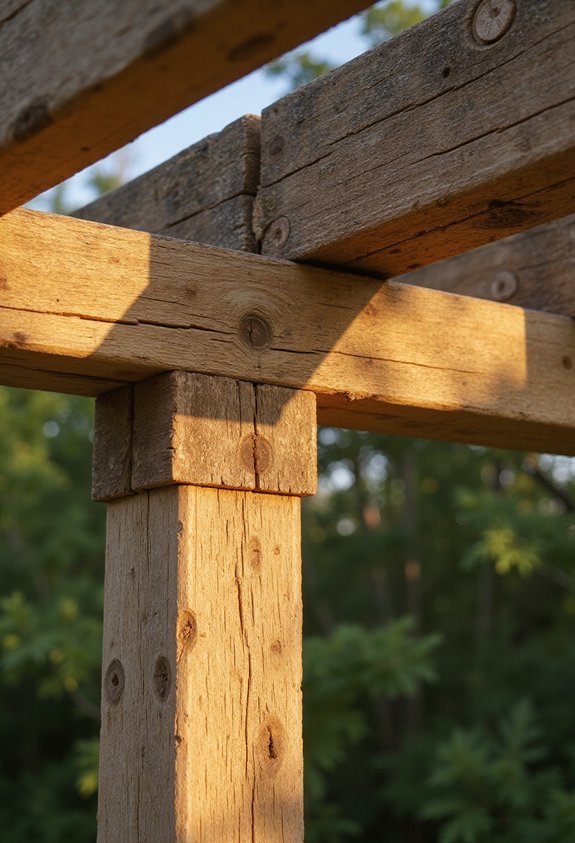
Picking responsibly sourced wood is awesome, but here’s the plot twist: your eco-friendly lumber can still get doused in nasty chemicals that’ll make Mother Nature wish she’d never met you. Chemical treatments like arsenic-based preservatives and toxic fungicides are basically the pergola equivalent of eating gas station sushi. Sure, they protect your wood from rot and bugs for years, but they’re also slowly poisoning your backyard. You’re basically inviting a microscopic party nobody wanted. The better move? Hunt for naturally resistant woods like cedar or redwood that don’t need chemical armor. Or grab lumber treated with water-based sealers instead. Your soil, groundwater, and that tomato garden you’re growing will thank you big time.
How Long Do Timber Pergolas Really Last?
While your pergola’s lifespan depends on wood type and maintenance, most timber structures’ll hang in there for 15 to 20 years before they start looking sadder than a forgotten houseplant. Hardwoods like cedar and redwood last longer—sometimes 20 to 25 years—because they’re naturally rot-resistant. Softwoods need more TLC and might bail after 10 to 15 years. You’ve gotta keep things dry, stain or seal it every few years, and watch for creepy crawlies and fungus. Think of maintenance like brushing your teeth—skip it and things get gross fast. Regular inspections catch problems early. With proper care, you’ll actually stretch that lifespan dramatically. Your timber pergola can become a lasting backyard buddy instead of a weathered skeleton.
Timber vs. Composite: Which Is Greener?
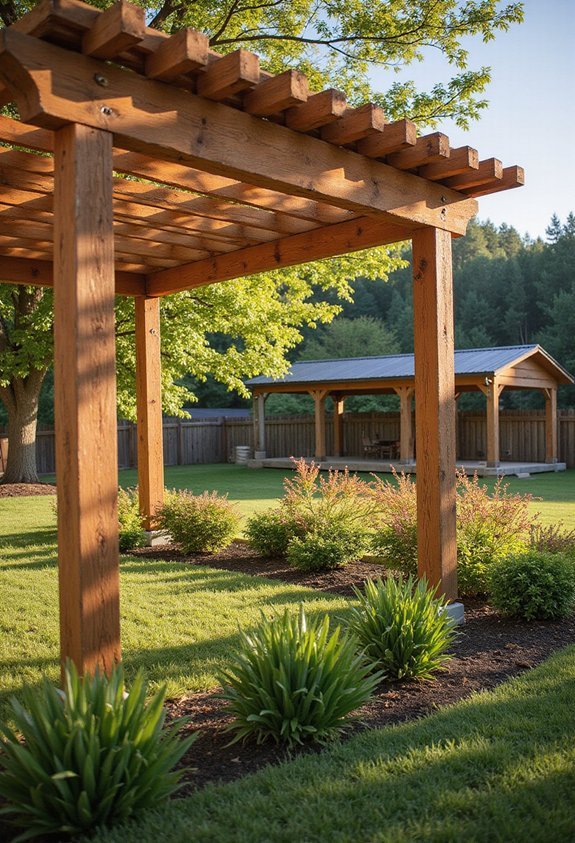
When it comes to picking the greenest pergola, timber and composite materials play by totally different rulebooks. Natural wood comes straight from trees, which sounds eco-friendly until you realize logging leaves forests looking like they’ve had a bad haircut. But timber biodegrades, so it won’t haunt landfills for centuries.
Composite materials? They’re basically plastic pretending to be sophisticated. They won’t rot or need staining, which sounds amazing. However, they’re made from petroleum and wood scraps, then shipped around like confused packages. They’re also tougher than old shoe leather—literally lasting forty-plus years without breaking down.
Here’s the truth: timber’s greener if you source it responsibly from managed forests. Composite wins on durability. Neither option is perfect, but informed choices beat guilt trips.
Timber vs. Metal Pergolas: Environmental Comparison
How’d you like your pergola to rust faster than a forgotten bike in the rain? Metal pergolas need constant maintenance and paint touch-ups. They’re shiny and sleek, but they’ll break your back (and your wallet) keeping them looking good. Timber pergolas, on the other hand, age beautifully into silvery gray without demanding constant attention. Metal requires mining, which tears up the earth something fierce. Timber comes from trees—renewable resources when harvested responsibly. Sure, metal lasts longer without rotting, but timber can live 15-20 years with basic care. You’ll spend less time fighting rust stains and more time actually enjoying your outdoor space. Wood wins the environmental race here, hands down.
What’s the Carbon Cost of Wood Production?
Before you pat yourself on the back for choosing timber over metal, there’s a sneaky carbon villain hiding in the woodpile—literally. Growing trees? That’s great. But getting them to your backyard? Not so much.
Logging trucks belch emissions like they’ve eaten too much chili. Transportation racks up serious carbon miles. Then sawmills buzz away, using energy to slice logs into pretty boards. Don’t forget processing plants that treat and finish your wood.
Here’s the kicker: depending on where your timber comes from, you might’ve just paid a hefty carbon price. Shipping wood from across the globe doubles or triples those emissions.
Your eco-friendly pergola’s carbon footprint depends entirely on production methods and shipping distances. Local, sustainably harvested timber wins. Imported stuff? Not so eco-friendly after all.
FSC Certification: What It Actually Means
So you’ve figured out that local timber beats shipped-from-halfway-around-the-world wood. Now comes the fun part: understanding FSC certification. FSC stands for Forest Stewardship Council, and honestly, it’s basically nature’s report card for timber companies. When you see that little green checkmark on your pergola wood, you’re looking at wood that didn’t destroy forests like some kind of lumber villain. FSC-certified wood comes from responsibly managed forests where trees actually get replanted. Workers get fair wages too—not exactly sweatshop vibes. So really, FSC certification means your pergola’s got a clean conscience. Your outdoor shade structure becomes an environmental win, not a forest tragedy. That’s pretty darn cool.
Tropical Hardwoods vs. Sustainably Sourced Options
Here’s the thing: sustainably sourced options exist and they’re honestly fantastic. Think reclaimed wood, bamboo (which grows back quicker than your lawn), or FSC-certified tropical species. Sure, they might cost a bit more upfront, but your pergola won’t be screaming guilty conscience every time you sit under it.
You’re basically choosing between looking great and sleeping well at night. Choose both. Your conscience and Mother Earth will high-five you.
How Much Upkeep Does a Timber Pergola Need?
Alright, you’ve picked the perfect eco-friendly timber and you’re feeling pretty smug about it. Now comes the fun part—keeping it from turning into a soggy mess. Your pergola needs serious attention, honestly. You’ll inspect it every spring for rot, which basically looks like the wood’s having an identity crisis. Sand down rough spots and apply sealant annually—think of it as sunscreen for your pergola. Every few years, you’re resealing and potentially replacing damaged boards. Insects love timber like you love snacks, so watch for damage. It’s basically a relationship: neglect it, and you’re looking at expensive repairs. Stay committed though, and your wooden beauty’ll last decades. The effort’s worth it when you’re sipping coffee under those solid beams.
Can You Recycle or Repurpose Old Timber Pergolas?
What happens when your trusty timber pergola finally waves the white flag? Don’t panic—you’ve got options that won’t make Mother Earth cry!
You can totally recycle old timber. Many recycling centers accept wooden materials and transform them into mulch, particle board, or new wood products. It’s like giving your pergola a second life without the drama.
Repurposing is even more fun. That weathered wood makes killer raised garden beds, rustic planters, or cozy outdoor benches. Your 8-by-10-foot pergola beams? Perfect for a backyard swing set or storage shelving.
If your wood’s still solid, donate it. Habitat for Humanity loves reclaimed materials. Even partially rotted timber can become animal bedding or compost accelerator.
Bottom line: your old pergola doesn’t have to become landfill nightmare. You’re basically a timber superhero now.
Pressure-Treated Timber: An Eco-Friendly Compromise?
Now here’s the thing about pressure-treated wood—it’s basically the pergola world’s middle child, trying to please everyone but making nobody completely happy. You get decent rot resistance without the premium price tag of cedar or composite materials. The treatment process forces chemicals deep into the wood fibers, basically making your pergola chemically bulletproof against decay and insects.
But here’s where it gets awkward: those chemicals leach into soil over time, which isn’t exactly thrilling for your garden’s health. Plus, you’ll need regular maintenance to keep that greenish-gray tint from looking like your pergola caught a nasty disease.
It’s genuinely affordable and reasonably durable—lasting 15-20 years if you’re nice to it. However, eco-conscious folks often wrinkle their noses at the chemical cocktail involved. So yeah, it’s compromise personified.
Does Your Climate Affect Timber’s Eco-Impact?
Before you slap down hard-earned cash on that timber pergola, here’s something most folks don’t think about: where you live actually matters—a lot. Your climate’s basically your wood’s arch-nemesis or best friend. Live in dry Arizona? Your timber’ll last longer than your gym membership motivation. But if you’re in humid Florida, rot sets in faster than you can say “swamp thing.” Rain-soaked Pacific Northwest? That’s wood’s personal torture chamber. Cold northern winters crack timber like my jokes. Hot, sunny spots bleach your beautiful wood gray and sad-looking. Your local weather determines how often you’ll repair or replace that pergola. Smart move? Pick timber species that’ll actually survive your specific climate zone. Your future self will high-five you.
Timber, Composite, or Metal: Which Is Right for You?
Once you’ve picked a timber species that’ll actually survive your neck of the woods, here’s the real head-scratcher: should you go full timber, jump ship to composite, or go all industrial with metal?
Timber’s your eco-champion—it’s natural, carbon-storing, and gorgeous. But it needs serious maintenance or it’ll rot faster than forgotten gym socks. Composite blends wood fibers with plastic, lasting longer without the fussy upkeep. Metal pergolas? They’re tough as nails and practically immortal, though they won’t win any environmental medals and they’ll cook your head like a skillet in summer.
Your choice depends on your patience level, budget, and how much yard work you’re willing to embrace. Timber requires love. Composites demand less. Metal asks almost nothing but trades eco-friendliness for durability.
Frequently Asked Questions
What Certifications Should I Look for When Buying Eco-Friendly Timber Pergolas?
You’ll want to look for FSC or PEFC certifications, which guarantee sustainable forestry practices. Additionally, seek products labeled as reclaimed or sustainably harvested wood. These certifications verify you’re buying genuinely eco-friendly timber pergolas that support responsible forest management.
How Does Timber Pergola Production Impact Local Ecosystems and Biodiversity?
You should know that timber pergola production impacts local ecosystems when suppliers harvest trees without replanting. You’re affecting biodiversity when you don’t support sustainable forestry practices. You’ll minimize damage by choosing suppliers who practice responsible land management and habitat restoration.
Are There Eco-Friendly Alternatives to Treating Timber Against Rot and Pests?
Yes, you can use eco-friendly treatments like copper sulfate, borate solutions, and natural oils such as linseed or tung oil to protect your timber pergola. You’ll also find plant-based alternatives and sustainable wood species that naturally resist rot and pests effectively.
What Is the Typical Lifespan of Sustainably Sourced Timber Versus Conventional Timber?
You’ll find sustainably sourced timber typically lasts 15-20 years with proper maintenance, while conventional timber often deteriorates faster—sometimes within 10-15 years. You’ll notice the difference because sustainable timber comes from responsibly managed forests, ensuring superior quality and durability for your pergola investment.
How Can I Calculate the Total Environmental Footprint of My Timber Pergola?
You’ll calculate your pergola’s environmental footprint by summing the timber’s carbon emissions, manufacturing impact, transportation distance, and end-of-life disposal. Track each material’s lifecycle assessment data to determine your structure’s total environmental cost accurately.
Conclusion
So, here’s the deal: you’ve gotta do your homework before buying timber. Check where it comes from—sustainable forests rock! Watch out for sketchy chemical treatments that’ll wreck the environment. And honestly? A well-maintained cedar pergola can last decades, making it pretty green overall. But if you’re lazy about upkeep, go composite. Either way, you’re making your yard look awesome while keeping Mother Earth happy-ish.